Start Here
Fly Fishing Gear for Women
Most of a fly fishing kit is unisex, and paying extra for a women's label is usually a waste. Three items are the exception.
The short version, and it will save you money: three items in a fly fishing kit genuinely differ for women — waders, wading boots, and the fit of a pack or vest. Everything else is unisex. Rods, reels, lines, leaders, flies, nets, nippers and forceps have no gendered version worth paying for, and where a "women's" one exists it is usually the same product in a different color at the same or higher price.
That matters because the three exceptions are the ones where fit is a safety issue rather than a comfort one. A wader you cannot lift a knee in is a wader you cannot climb a bank in. So this page spends its time there, and tells you to ignore the rest.
The short list
| # | Pick | Best for | Score | Price |
|---|---|---|---|---|
| 1 | Orvis Clearwater Waders4-layer breathable nylonBest for Women | A genuine women's pattern in four-layer fabric | 8.1 | Check price on Amazon |
| 2 | Orvis Clearwater Wading BootsFelt or rubber soleBest Value | Women's wading boots in felt or rubber | 7.9 | Check price on Amazon |
| 3 | Orvis Clearwater 905-4 Fly Rod Outfit9'0" · 5 wt · 4-pcBest Overall | The rod and reel are unisex, and this is the one to buy | 9.0 | Check price on Amazon |
| 4 | Simms Tributary Stockingfoot Waders3-layer upper · 4-layer lowerRunner-Up | A women's version of the same layered construction | 8.5 | Check price on Amazon |
| 5 | Orvis Clearwater Mesh Vest8 pockets · mesh and ripstopBest for Warm Water | Adjusts to a shorter torso better than a fixed sling | 8.0 | Check price on Amazon |

1. Best for Women
Orvis Clearwater Waders
Four-layer fabric top to bottom with a real women's fit, at a small premium over the Tributary.
| Spec | Value |
|---|---|
| Fabric | Four-layer waterproof breathable nylon |
| Foot | Stockingfoot; a bootfoot version is also sold |
| Fits | Men's and women's |
The Clearwater's differentiator is simple: Orvis uses a four-layer waterproof breathable nylon for the whole garment rather than three layers above the waist. More layers means more abrasion resistance and more weight, and whether that is the right trade depends mostly on what you wade through.
The other thing worth flagging is fit. Orvis builds the Clearwater in a proper women's pattern, which is not universal in this price range and makes a large practical difference — a wader that is too long in the body is a wader you trip in.
There is also a bootfoot Clearwater, with the boot bonded on. That costs you sole choice and ankle support, and it saves you a second purchase. For a first wader on easy water it is a legitimate choice.
What we like
- Four-layer nylon throughout rather than only below the waist
- A genuine women's fit, not a men's wader in a smaller size
- A bootfoot version exists if you would rather buy one thing than two
What you give up
- Four layers everywhere is slightly warmer and slightly less breathable on a hot day
- Priced above the Tributary at most retailers we checked
| Criterion | Score / 10 |
|---|---|
| Durability | 9 |
| Breathability | 7 |
| Comfort | 8 |
| Repairability | 8 |
| Value | 7 |
| Overall | 8.1 |
2. Best Value
Orvis Clearwater Wading Boots
The entry boot that still lets you pick your sole compound, with a midsole plate that actually holds studs.
| Spec | Value |
|---|---|
| Upper | Full synthetic leather with scratch-rubber toe, vamp and heel counter |
| Toe protection | Heavy-duty rubber toe bumper |
| Footbed | Integrated EVA foam |
| Midsole | Phylon with ESS plate for stability and stud retention |
| Sole options | Felt or rubber |
| Fits | Men's and women's |
Orvis's Clearwater boot is the value option that does not feel like one. The upper is full synthetic leather with scratch rubber on the toe, vamp and heel counter and a heavy-duty rubber toe bumper. Inside, an EVA footbed sits over a phylon midsole with an ESS plate — and that plate is the detail that matters, because it is what stops a screw-in stud from pulling straight through the sole.
You pick felt or rubber when you buy. Felt grips slick rock better; rubber walks better and is legal everywhere. Our felt versus rubber comparison includes which states ban felt, and that is the first thing to check, not the last.
Both men's and women's versions exist. If you have been trying to make men's boots work in a smaller size, this is a straightforward fix.
What we like
- You choose felt or rubber at purchase rather than compromising
- The ESS plate in the midsole means studs stay in rather than pulling through
- A heavy rubber toe bumper is the difference between a scuffed boot and a split one
- Proper women's version
What you give up
- Sole choice is permanent — you cannot swap it later like the Korkers
- Felt version is illegal to use in several US states
| Criterion | Score / 10 |
|---|---|
| Traction | 8 |
| Support | 7 |
| Durability | 8 |
| Drainage | 7 |
| Value | 9 |
| Overall | 7.9 |
3. Best Overall
Orvis Clearwater 905-4 Fly Rod Outfit
The outfit we would put in a first-timer's hands without hesitating: a 9-foot 5-weight that casts easily, a reel worth keeping, and a warranty that removes the fear of breaking it.
| Spec | Value |
|---|---|
| Rod | 9'0", 5 wt, 4-piece |
| Reel | Clearwater Large Arbor II |
| Line | Clearwater weight-forward floating, plus backing |
| Leader | Tapered leader included |
| Reel seat | Full black-nickel aluminum |
| Guides | Chrome snake and stripping guides, ceramic insert |
| Case | Rod and reel case included |
| Rod warranty | 25-year guarantee |
A 9-foot 5-weight is the single most useful first fly rod for trout in rivers and streams, and the Clearwater is the version of that rod with the fewest compromises at a price a beginner can justify. Orvis describes the action as smooth and crisp; in practice that means it loads with a short, unhurried stroke rather than demanding the fast, precise timing a stiff competition rod wants. That matters more than anything else on this page, because the main reason beginners give up is that their loop collapses and they do not know why.
The reel is the part that separates this from the budget kits. The Clearwater Large Arbor II is 3.4 inches across, rated 3-5 weight, weighs 5.6 oz, and uses a sealed carbon-to-stainless disc drag that converts to left- or right-hand retrieve. You are not going to outgrow it, and you are not going to be rinsing grit out of an open drag after a gravel-bar spill.
Everything comes spooled: Clearwater floating line over backing, with a tapered leader. You attach the leader to the fly line, tie on tippet and a fly, and fish. That sounds trivial until you have spent an evening trying to work out how backing attaches to an arbor from a diagram.
What we like
- Arrives genuinely ready to fish — line, backing and leader are already on the reel
- The 25-year rod guarantee outlasts the beginner phase by about 24 years
- The reel is a real sealed-drag reel, not a placeholder you replace in a season
- Orvis has the deepest dealer network in the category, so parts and advice are easy to find
What you give up
- Costs meaningfully more than the Crosswater or Wild Water kits
- No flies, nippers or forceps in the box — you buy those separately
| Criterion | Score / 10 |
|---|---|
| Castability | 9 |
| Ready to fish | 9 |
| Build quality | 9 |
| Warranty | 10 |
| Value | 8 |
| Overall | 9.0 |
4. Runner-Up
Simms Tributary Stockingfoot Waders
The wader we would buy first: breathable, four-layer where it counts, from the company most likely to still fix it in five years.
| Spec | Value |
|---|---|
| Fabric | Breathable waterproof polyester |
| Upper | 3-layer |
| Lower | 4-layer |
| Foot | Stockingfoot (wading boots sold separately) |
Waders are not waterproof trousers — they are a wearable barrier that has to survive being knelt on, dragged through brambles and pressed against gravel. That is why the Tributary uses a three-layer breathable polyester above the waist and a four-layer version below it. Nearly every leak a wader ever develops is below the waist.
Breathable is the right choice for almost everyone, because the alternative, neoprene, traps your own moisture and cooks you above about 60 degrees Fahrenheit. The trade is that breathable fabric insulates almost nothing: in cold water you wear fleece or merino underneath and the wader keeps it dry.
These are stockingfoot waders, meaning the leg ends in a neoprene sock and you wear separate wading boots over it. That is the right configuration for fly fishing — it gives you a real boot with ankle support and a sole you can choose — but it does mean the purchase is two purchases.
What we like
- Four-layer fabric below the waist is where waders actually fail, and this is where Simms spends the money
- Breathable, so you are not swimming in your own sweat on a warm day
- Simms repairs waders, and a repairable wader is a cheaper wader over five years
What you give up
- Stockingfoot, so you need wading boots as well — budget for both
- Breathable fabric gives you almost no insulation on its own
| Criterion | Score / 10 |
|---|---|
| Durability | 9 |
| Breathability | 8 |
| Comfort | 8 |
| Repairability | 9 |
| Value | 8 |
| Overall | 8.5 |
5. Best for Warm Water
Orvis Clearwater Mesh Vest
Still the coolest, best-distributed way to carry tackle in hot weather — and still a vest, which some people will not wear.
| Spec | Value |
|---|---|
| Construction | Mesh with 100% recycled ripstop polyester |
| Pockets | Eight: four zippered, four Velcro |
| Fly drying | Two chest patches with rubberized tool tabs |
| Sizes | S (34-36) through XXL (50-52) |
Vests went out of fashion and the reasons they existed did not. Spread across eight pockets, a day's tackle is barely noticeable; the same weight in a sling is on one shoulder. And on a 90-degree day, a mesh vest over waders is dramatically cooler than any pack that covers your back.
The Clearwater uses mesh with 100% recycled ripstop polyester where durability is needed, with eight pockets — four zip, four Velcro — and two chest fly-drying patches with rubberized tabs for docking tools. Those patches do something useful: a fly you have just fished is wet, and a wet fly put straight back in a box rusts and flattens.
What a vest cannot do is carry volume. No jacket, no lunch, no camera. If you need those, the decision is a sling or a pack — our sling versus chest versus hip pack comparison walks through the trade.
What we like
- Mesh body is the coolest thing you can wear over waders on a hot day
- Eight pockets spread the load across your chest instead of concentrating it
- Fly-drying patches with tool tabs mean your used flies dry instead of rusting in a box
- Nothing sits on your back, so your shirt can actually breathe
What you give up
- No volume for a jacket, water or food
- A vest is the least fashionable thing in fly fishing, which genuinely puts people off
- Pockets full of heavy fly boxes pull the shoulders down
| Criterion | Score / 10 |
|---|---|
| Access | 9 |
| Capacity | 6 |
| Comfort | 9 |
| Durability | 7 |
| Value | 8 |
| Overall | 8.0 |
What genuinely differs, and what does not
Start here before buying anything. The left column is where a women's-specific product is worth seeking out and sometimes paying more for. The right column is where it is not.
| Genuinely different | Why | Effectively unisex |
|---|---|---|
| Waders | Hip-to-waist ratio, torso length, inseam and shoulder width all differ at once | Fly rods |
| Wading boots | A different last, and sizing runs below men's boots | Fly reels |
| Pack or vest fit | Torso length and chest shape change where a strap sits and loads | Fly line, leader and tippet |
| Wading belt length | A men's belt on a smaller frame has a long loose tail | Flies and fly boxes |
| Rain shell cut | Shoulder and sleeve length, if worn over a pack | Nets, nippers, forceps, zingers |
The second column of items is not a compromise. A 5-weight fly line is a 5-weight fly line; a pair of stainless nippers has no gender; a landing net's rubber bag does not care who is holding the handle. Treating them as though they do is how a first kit gets 30% more expensive for nothing.
Waders: the one purchase to get right
For a long time "women's waders" meant men's waders in a smaller size, which is a different garment badly resized. Hip-to-waist ratio, torso length, inseam and shoulder width differ, and a men's pattern is wrong in all four ways simultaneously.
- Look for a stated women's pattern, not a unisex wader offered in small sizes. The brands that build one say so plainly.
- Fabric layers matter more than brand. Four layers below the waist is the standard worth paying for — that is the part that takes abrasion from gravel and brush.
- Bunched fabric is the failure point. Excess material at the crotch and knee is both a trip hazard in current and where seams eventually leak.
- Check the included extras: gravel guards and belt loops. A wading belt is not optional, and a wader without loops makes one awkward.
We have a full page on this — best waders for women — including which brands publish a genuine women's pattern and which do not. It is the page to read before you buy, and it is honest that the field is smaller than it should be. For the fabric and construction argument generally, breathable vs neoprene waders covers the trade.
Boots: size them for the bootie, not your foot
This is the sizing trap that catches almost everyone, of any gender, and it catches women harder because the available size range runs out sooner. Wading boots go over a stockingfoot bootie and a wading sock, so they are bought well above street shoe size — commonly one to two sizes up.
- Buy the waders first. The bootie thickness is what determines boot size, so the order matters.
- Try boots on over the actual waders and the sock you will wear, not barefoot.
- Expect to go one to two sizes above your street shoe. A boot that fits snugly in a shop will be painful over a bootie.
- Choose the sole for your water: felt for slick rock where it is legal, rubber where felt is banned or you walk in.
Felt and rubber is a genuine decision rather than a preference — several states ban felt soles outright over invasive species transfer. Felt vs rubber wading boot soles has the detail, and the wading boot sizing guide has the measurements.
Rods and reels: where the myth costs money
There is a persistent idea that women need a lighter or shorter rod. It is wrong, and acting on it produces a worse first outfit.
A 9-foot 5-weight rod weighs around three ounces. Rod weight is not a strength question at any point — nobody is held back by three ounces. What tires an arm is bad casting technique, which is about timing rather than force, and a softer rod makes that *easier* to learn, not harder. Rod length and line weight are chosen for the water and the fish: a 9-foot 5-weight for trout in rivers, something shorter for brushy small streams.
| Decision | Driven by | Not driven by |
|---|---|---|
| Line weight (4, 5, 6) | Fish size and wind | Angler size or strength |
| Rod length (8'6" vs 9'0") | How brushy the water is | Angler height |
| Action (medium vs fast) | Experience and casting style | Angler strength |
| Reel size | Matching the line weight | Anything about the angler |
So the right first rod for a woman is the right first rod for anyone fishing that water, and on this site that is a 9-foot 5-weight four-piece outfit that arrives rigged. What fly rod weight actually means explains the numbering, fly rod length guide covers the length call, and best fly rod combos for beginners is the roundup. If your water is small and overhung, the 8'6" option in the Orvis Encounter review is the better rod — because of the alders, not the angler.
Packs and vests: fit, not label
Carry is the third place fit genuinely matters, and it is the one with the fewest women's-specific products. The useful thing to know is that adjustability substitutes for a women's cut here in a way it cannot with waders.
- Torso length is the variable, not chest size. A sling with a fixed strap length can sit wrong on a shorter torso and no amount of tightening fixes where the bag lands.
- A vest adjusts more than a sling does — shoulder and side adjusters change how it hangs, which is why a mesh vest is a safe choice when you cannot try things on.
- A chest pack is the most fit-agnostic option of all: it sits high and central, and torso length barely affects it.
- Try it loaded. An empty pack fits everything. A pack with two fly boxes, a leader wallet and a water bottle in it is the real test.
Sling vs chest vs hip pack is the full comparison, and best fly fishing packs and best fly fishing vests are the roundups. We are being straight that the mesh vest above is not a women's-specific garment — it is an adjustable one, which for this purpose is what counts.
What not to buy
| Avoid | Why |
|---|---|
| A unisex product badged "women's" with a color change | Same garment, same or higher price, no pattern difference |
| A lighter rod chosen for the angler rather than the water | Costs you the right line weight for the fish you are casting at |
| A "ladies' starter kit" from a general retailer | Usually the cheapest possible rod, which is how people decide the sport is not for them |
| Waders bought as a surprise gift | Sized on height, weight and shoe size together — a guess is normally unusable |
| A full set of clothing before your first season | You do not yet know what you are cold in, or how you fish |
The money that would have gone on the first and third rows is better spent on a rod outfit that casts properly, or on a wading belt and a net. How much does it cost to start fly fishing? lays out honest bands for a whole first kit.
A first kit, in buying order
- A 9-foot 5-weight four-piece outfit that arrives rigged — rod, reel, line, backing and leader in one box. Nothing on this list matters if the rod does not cast.
- Tippet, a tapered leader and a dozen flies. Consumables, and the part beginners under-buy. See what flies to use for trout.
- Nippers and forceps on a zinger. Used every few minutes; no fit question at all.
- A fishing license, from your state wildlife agency. Legally required everywhere in the US.
- Waders in a genuine women's pattern, then boots sized over the bootie — once the water is cold enough to need them.
- A pack or vest, chosen on adjustability, once you know what you actually carry.
- A landing net with a rubber bag, when you are catching fish regularly.
The order is deliberate: everything above waders is cheap and gets used immediately, and waders are the expensive item most likely to be bought in the wrong size by someone new. The gear checklist is the full printable version, and your first day on the water is what to do once it arrives.
One addition worth making before any of it: a short book. Forty-eight illustrated pages read before you buy tackle is the cheapest thing on this page and it changes what you buy, because you will be shopping for a reason rather than from a list — best fly fishing books for beginners.
One category where the women's version is genuinely better equipped than the men's is sun protection, which almost never happens in this sport. The best fly fishing sun shirts sets out why — a license pocket, a ponytail hood and a low-hip hem on the same shirt at the same price — along with the size-range limit that is still the category's real failing.
Questions people actually ask
Do women need different fly fishing gear?
For three items, yes: waders, wading boots and the fit of a pack or vest. A genuine women's wader pattern differs in hip-to-waist ratio, torso length, inseam and shoulder width, and boots run on a different last. Rods, reels, lines, flies, nets and tools are effectively unisex, and a women's-badged version of those is usually the same product in a different color.
Should a woman buy a lighter fly rod?
No. A 9-foot 5-weight rod weighs around three ounces, so rod weight is never a strength question. Line weight is chosen for the fish and the wind, and length for how brushy the water is. Picking a lighter rod for the angler rather than the water just gives you the wrong line weight for what you are fishing.
What is the best fly rod for a woman starting out?
The same as for anyone starting out on that water: a 9-foot 5-weight four-piece outfit that arrives with line, backing and leader already on the reel. If your water is small and overhung, an 8'6" rod is better — because of the trees, not the angler.
How do I size women's wading boots?
Buy the waders first, then try boots over the actual waders and wading sock. Wading boots go over a stockingfoot bootie, so they are typically bought one to two sizes above street shoe size. A boot that feels snug barefoot in a shop will be painful on the river.
Are women's waders worth the extra money?
Yes, and this is the one place we would say spend. A men's wader in a smaller size is wrong in four dimensions at once, and the excess fabric that results is both a trip hazard in current and where seams fail. It is a safety argument rather than a comfort one.
Do I need waders to start fly fishing?
Not necessarily. In warm water a first summer in shorts and old sneakers is genuinely fine, and plenty of people start that way. Waders become necessary as water temperature drops — roughly when standing in it stops being pleasant and starts being a cold-exposure question.
Where these figures come from
Read next
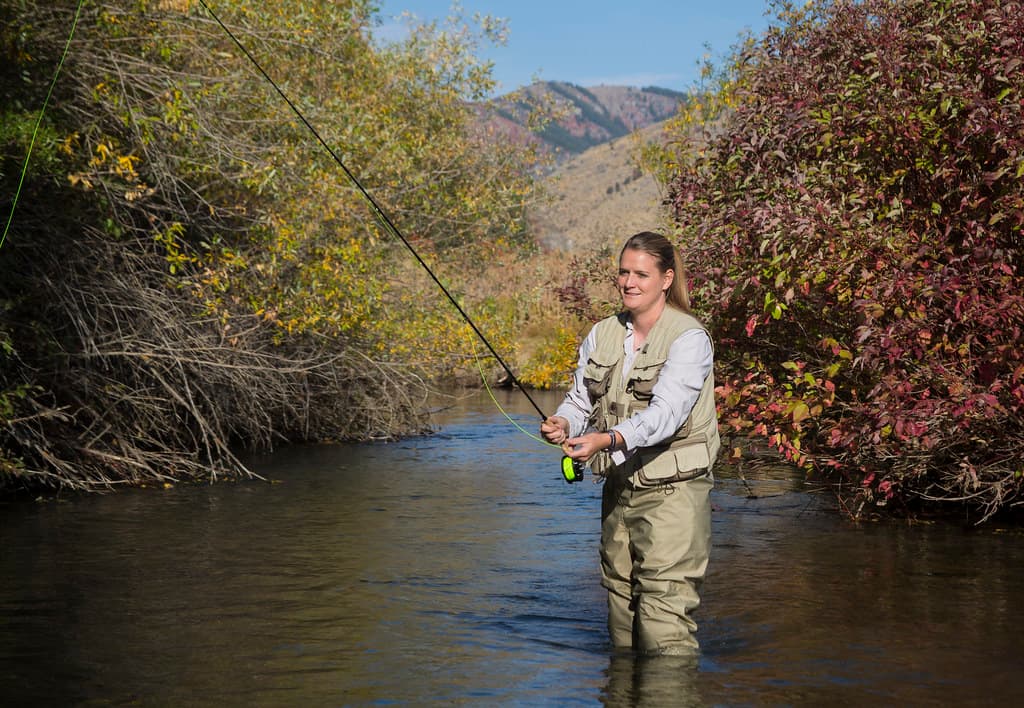
Best for Women
Best Waders for Women
Which brands build a genuine women's pattern rather than a shorter men's wader, and why fit is a safety issue.
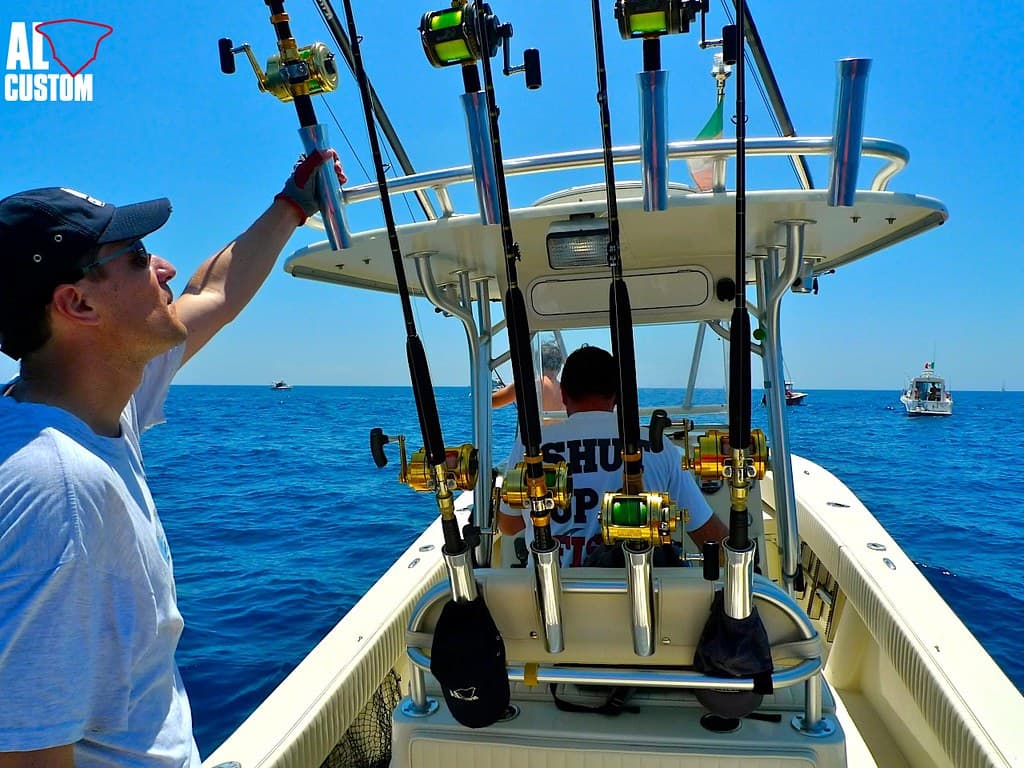
Start Here
Fly Fishing Gear Checklist for Beginners
Six items to buy before your first trip, three you can postpone, and the one non-gear item you cannot fish without.
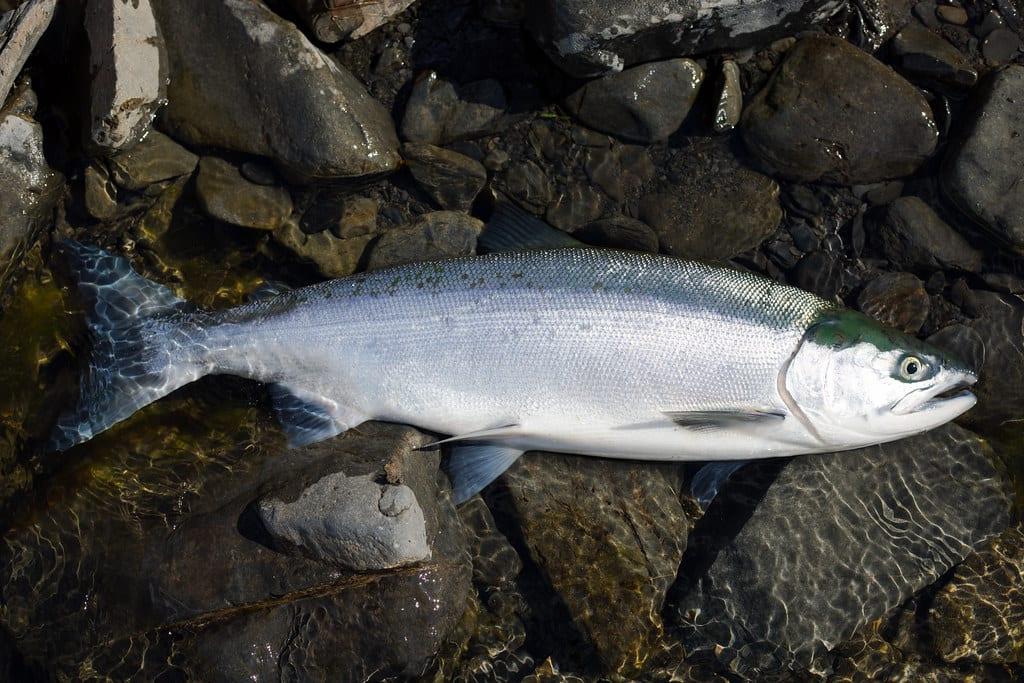
Best Beginner Combo
Best Fly Rod Combos for Beginners
Five 9-foot 5-weight outfits ranked on action, line quality and warranty — with a clear default pick.
Nets, Packs & Vests
Sling vs Chest vs Hip Pack
Sling, chest or hip pack compared on capacity, access and wading depth, with a clear first-pack pick.