
Best Complete Kit
Best Fly Fishing Starter Kits for Beginners
Complete kits ranked on what is actually in the box, with the line quality trade-off made explicit.
Category
The six things you need, in the order you need them — and the three things everyone tells you to buy that you can skip for now.
The short answer
A 9-foot 5-weight combo that arrives with line, backing and leader already on the reel. It covers trout in rivers, bass in ponds and panfish, it is easy enough to learn on, and the 25-year rod guarantee removes the fear of breaking it.
Fly fishing has a reputation for being complicated, and most of that reputation comes from the shopping, not the fishing. Walk into a fly shop and you are hit with rod weights, line tapers, leader X-sizes, arbor sizes, sole compounds and about forty fly patterns — and almost none of it is explained in the order a beginner needs it.
So here is the short version. You need a rod, a reel and a line that match each other; a leader to connect the line to the fly; a few flies; and something to cut line with. That is it. Everything else on this site is either a refinement of those five things or a comfort you can add later.
The single decision that matters most is the first one: a 9-foot 5-weight combo. The number is the line weight the rod is built to cast, not how heavy the rod is, and a 5-weight is the most useful first choice in the country — it handles trout in rivers and streams, bass and panfish in ponds, and small flies and medium flies both. Buy it as a combo and the rod, reel, line, backing and leader arrive matched and already assembled, which removes an entire evening of frustration.
What you can genuinely postpone: waders (if your water is warm, wade in shorts), a net (land a few fish by hand first), and a pack or vest (your jacket pockets are fine for a dozen flies). We would rather you spent that money on a fishing license and a second trip. The pages below are ordered the way a first purchase actually happens, and every one of them ends with a decision rather than a list of options.
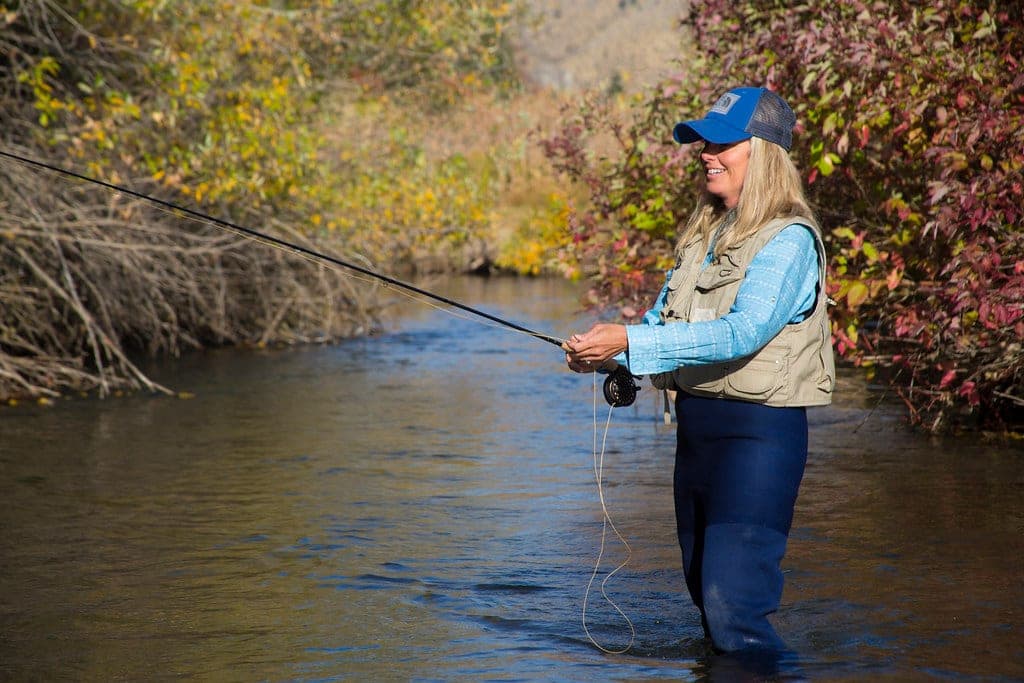
Best Complete Kit
Complete kits ranked on what is actually in the box, with the line quality trade-off made explicit.
Best Gifts
Fly fishing gifts that get used, chosen for the gift-buyer: what is safe to pick blind and what needs their size.
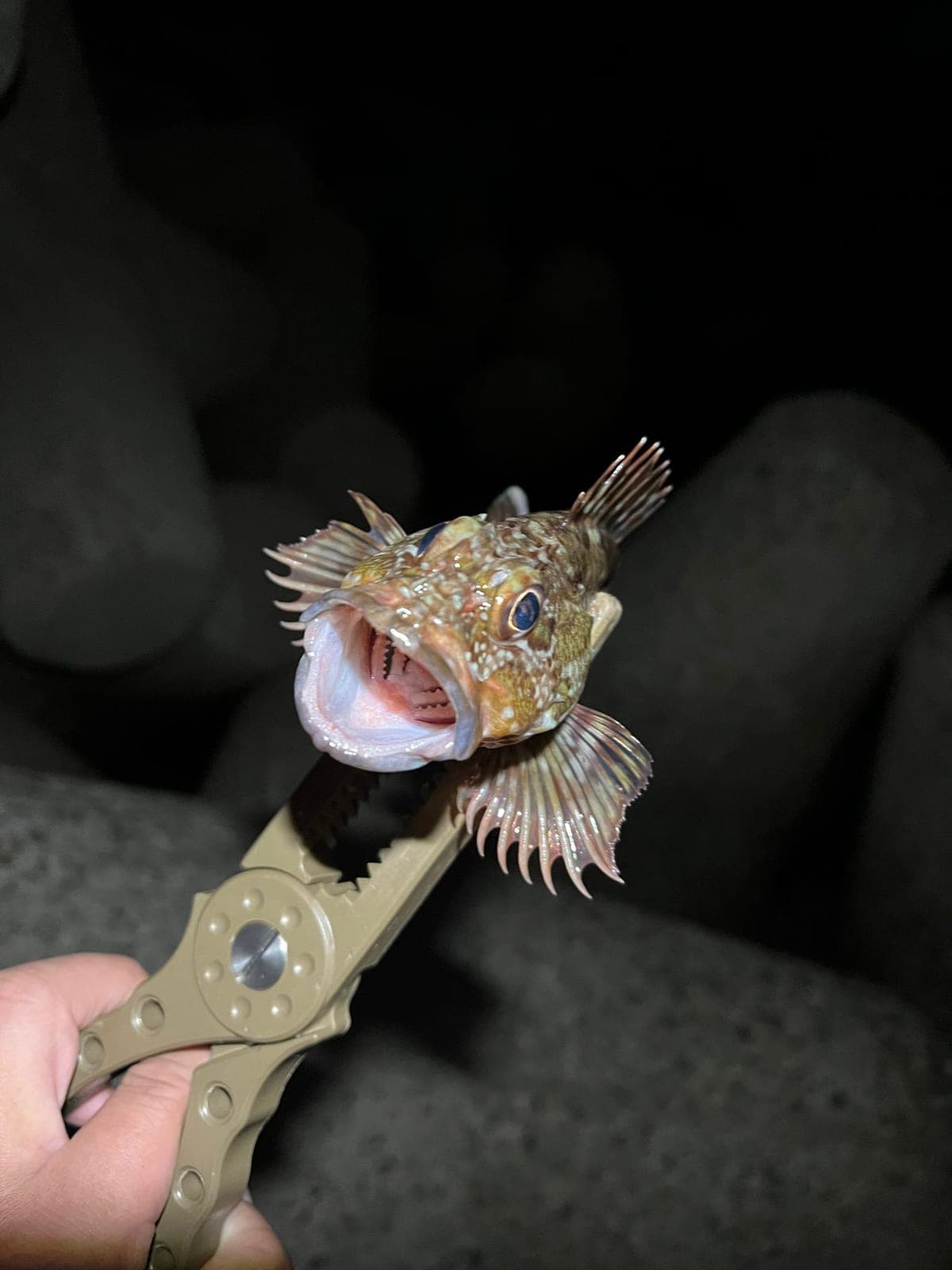
Gifts Under $50
Lower-budget fly fishing gifts that get used — tools, boxes, tippet and flies — plus what to avoid at this price.
Start Here
The one mechanical difference that explains the gear, the learning curve and the cost — plus an honest comparison table.
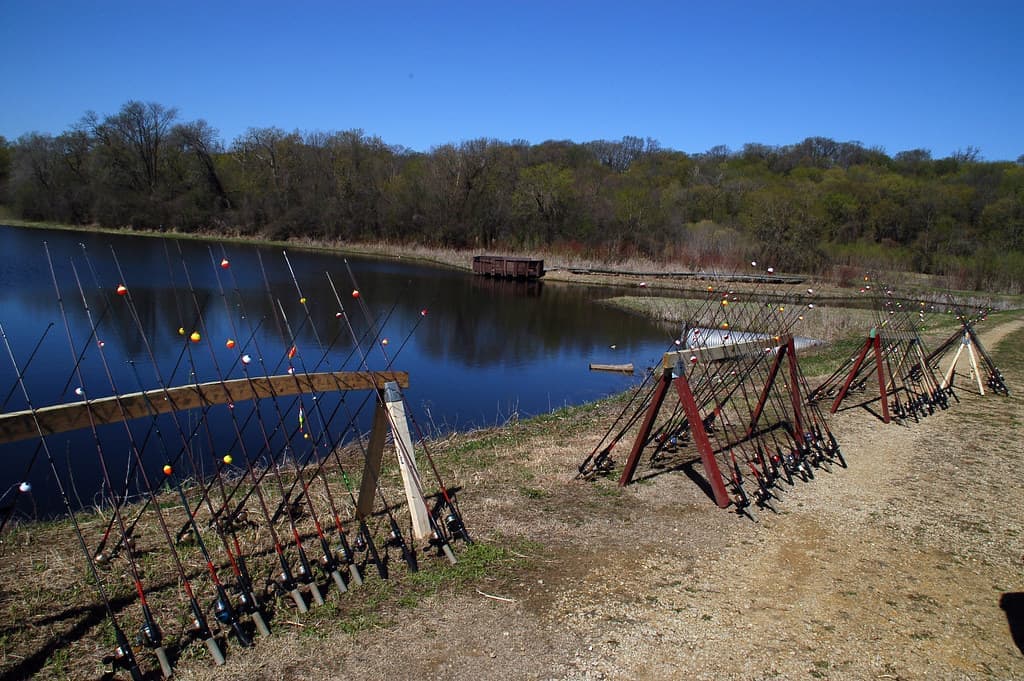
Start Here
For anglers coming from a spinning rod: what transfers, what works against you, and which water suits each.

Start Here
For a first setup a combo wins on cost, matching and setup time. The two cases where buying separately is right.
Start Here
Six items to buy before your first trip, three you can postpone, and the one non-gear item you cannot fish without.

Start Here
Three complete budget tiers, item by item, plus the two upgrades that are actually worth the money.

Start Here
Nine ordered steps from the night before to the first cast, plus the four mistakes almost every beginner makes.
| What you are buying | Realiztic band | Can you skip it? |
|---|---|---|
| Rod, reel and line as a combo | Low hundreds | No — this is the purchase |
| Leaders and tippet | Price of two coffees | No |
| A dozen flies | Price of a takeaway | No |
| Nippers and forceps | Price of a takeaway | No — but kitchen scissors work for one trip |
| Fishing license | Varies by state | No, and it is not optional |
| Waders and boots | Low-to-mid hundreds | Yes, if the water is warm |
| Net | Tens to low hundreds | Yes, for the first few trips |
| Pack or vest | Tens to low hundreds | Yes — a jacket pocket works |
Fly rods are sized by a number from 1 to 14, and that number refers to the weight of the fly line the rod is built to cast — not the weight of the rod itself, which trips up almost everyone. A 3-weight is a light rod for small fish and tiny flies. A 10-weight is a heavy rod for tarpon. A 5-weight sits in the middle and is the one rod that does the most things acceptably well.
Your line must match your rod. A 5-weight rod casts a 5-weight line. If you buy a combo, that match is made for you, which is the main reason we recommend combos for a first setup. If you are buying pieces, our fly rod weight chart maps rod weights to species and water types, and what fly rod weight actually means explains the system in plain language.
| Rod weight | Typical target | Should a beginner start here? |
|---|---|---|
| 3 wt | Small trout, tiny streams, delicate presentations | Only if your water is genuinely small |
| 4 wt | Trout in small to medium streams | Good second rod, not a first one |
| 5 wt | Trout, bass, panfish — rivers, streams and ponds | Yes. This is the default. |
| 6 wt | Bigger trout, bass, windy days, weighted rigs | A reasonable alternative to a 5 |
| 8 wt | Pike, carp, light saltwater | No |
A combo — also sold as an outfit or a kit — is a rod, a reel, a line and usually backing and a leader, bought together and shipped assembled. There are three reasons this is the right first purchase and only one reason it is not.
The one reason against: if you already own a reel and a line you like, buying a rod on its own is obviously cheaper. Combo or separate pieces walks through the maths properly, and the best beginner fly rod combos roundup is where to go once you have decided.
Honest answer: less than people assume to start, and more than people assume to be comfortable. You can be fishing legally and competently for the cost of a decent pair of boots. Adding waders, a net and a pack roughly doubles it, and none of those three are required to catch your first fish.
The costs table above is a tier-by-tier breakdown. How much it costs to start fly fishing builds it out into three complete budget tiers, so you can see what a minimum setup, a comfortable setup and a buy-once setup each contain.
In July, on most trout water in the country, you do not need waders. Quick-dry trousers and a pair of wading boots is cooler, cheaper and more comfortable. Do I need waders? answers this honestly, including the specific conditions where the answer flips to yes.
A net makes landing and releasing a fish easier and safer, and you should own one eventually. You can also land a trout by hand in shallow water without hurting it, and you will learn more about how a hooked fish behaves doing it that way. See best fly fishing nets when you are ready.
You will carry a leader packet, a spool of tippet, a dozen flies and a pair of nippers. That is a jacket pocket. When your tackle outgrows the pocket, sling versus chest versus hip pack will tell you which to buy.
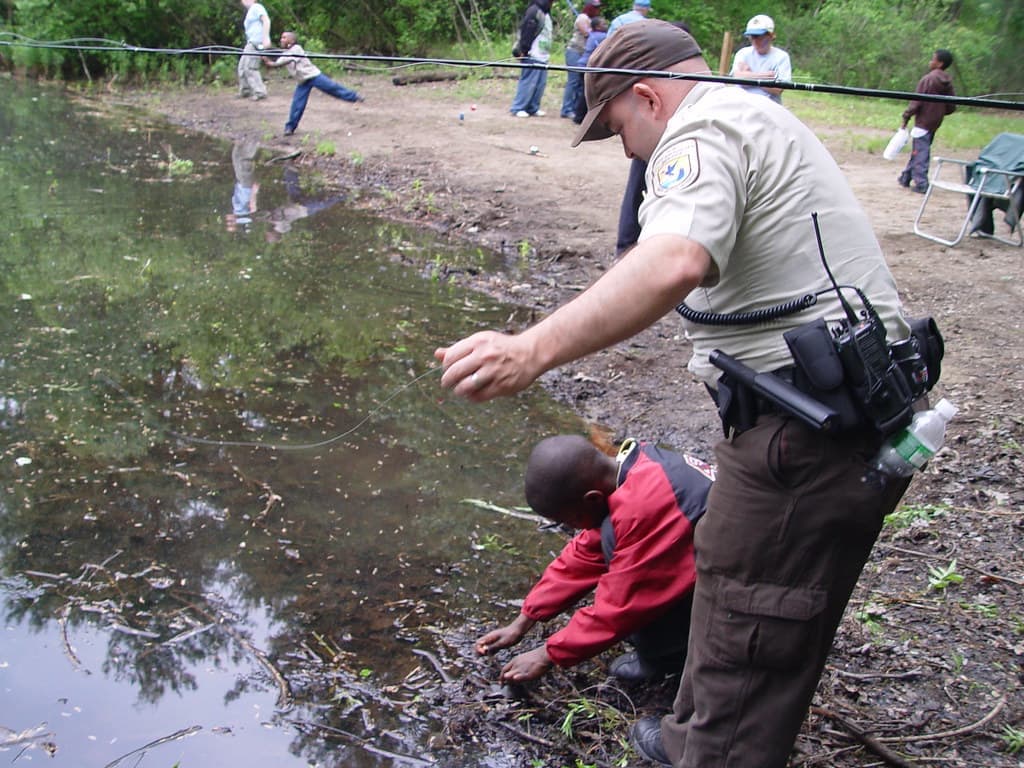
You will probably not catch a fish, and that is normal rather than a sign you have bought the wrong rod. What you will do is work out that casting is a rhythm rather than a strength, that line management is most of the game, and that a fly dragging sideways across the current catches nothing.
Our first day on the water checklist is the version of this you can print, including the things people forget — a license, polarized sunglasses and something to clip your nippers to.
You already know how to read water, which is the harder half. What is genuinely different is the casting: in spin fishing the lure's weight carries the line out, and in fly fishing the line's weight carries the fly out. That inversion is the whole learning curve, and it means your existing casting instincts work against you for the first hour.
Fly fishing versus spin fishing covers the differences that matter in practice, and fly fishing versus regular fishing is the broader comparison if you are deciding whether to make the switch at all.
A rod, reel and line that match each other (a 9-foot 5-weight combo covers this in one purchase), a tapered leader, a spool of tippet, a dozen flies, nippers to cut line, forceps to remove hooks, and a fishing license. Waders, a net and a pack are genuinely optional on your first few trips. Our gear checklist is the full list with what to skip.
Less than most people assume for a working setup, and roughly double that for a comfortable one. The rod-reel-line combo is the single biggest item; leaders, tippet, flies and nippers together cost a fraction of it. Waders and boots are the expense that doubles the total, and they are skippable in warm water. How much it costs to start fly fishing breaks it into three complete tiers.
A 9-foot 5-weight, 4-piece rod. The 5 refers to the line weight it casts, not the rod's own weight. It covers trout in rivers and streams, bass and panfish in ponds, and both small and medium flies. Only go shorter — 8 feet or 8-foot-6 — if your water is a small, overgrown creek.
The casting is harder and takes real practice; everything else is comparable or easier. In spin fishing the weight of the lure pulls line off the reel, so a beginner can cast adequately in five minutes. In fly fishing the weight of the line carries a nearly weightless fly, which is a timing skill rather than a strength one. Reading water, choosing a fly and playing a fish are no harder.
Not in warm water. In summer on most trout water you can wade in quick-dry trousers and wading boots and be more comfortable than you would be in waders. You need waders when the water is cold enough that standing in it for an hour is unpleasant or unsafe, which in practice means spring, autumn, winter and any tailwater or spring creek that runs cold year-round.
Buy a combo for a first setup. The rod, reel and line are matched for you, the reel arrives spooled with backing, line and a leader already attached, and the bundle costs less than the same parts bought individually. Buying separately only makes sense once you have a reel or a line you already want to keep.
Category
Start with a 9-foot 5-weight. This is the hub that explains why, and which one to buy.

Category
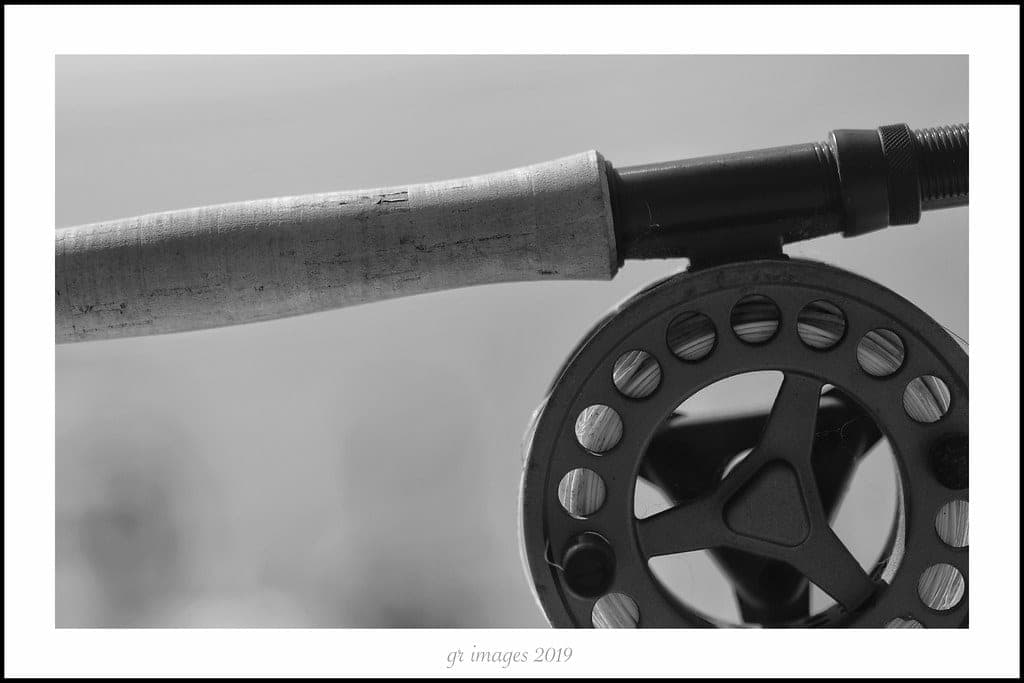
On a trout rod the reel is mostly line storage. Here is the part of it that genuinely matters, and the part you are being sold.
Category
Your rod does not cast the fly — the line does, and the fly goes along for the ride. This is the most under-explained part of the sport.