Best Waders
Best Fly Fishing Waders
Waders ranked on the layer count below the waist, where they actually fail — plus when to skip them.
Category
Waders are the expense that doubles a beginner's budget — so the first question is whether the water is cold enough to need them.
The short answer
Breathable, with four-layer fabric below the waist where waders actually fail, from the company most likely to still repair them in five years. Add wading boots separately — that is the right configuration for fly fishing.
Waders exist for one reason: to let you stand in water that is too cold to stand in. That is the whole purpose. They are not required equipment for fly fishing, they are not a badge of seriousness, and for a beginner fishing in July they are frequently a waste of a few hundred dollars.
So the honest first question is not which waders to buy. It is how cold is your water, and when are you going to fish it? Above about 65 °F, wet wading — quick-dry trousers, wading socks and wading boots — is cooler, cheaper and more comfortable than any wader made. Below about 55 °F you want breathable waders with layers underneath. Below about 45 °F, or if you are standing still for long periods, you want more insulation again.
If you do buy waders, there are exactly four decisions, and brand is the least important of them:
Best Waders
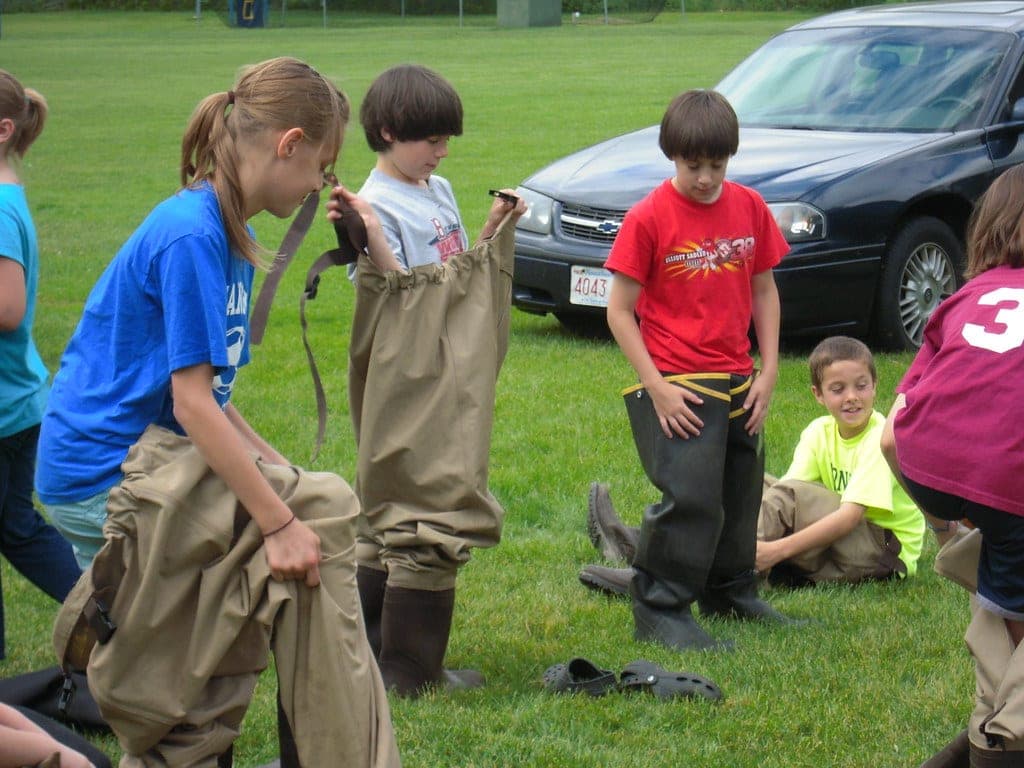
Waders ranked on the layer count below the waist, where they actually fail — plus when to skip them.

Best Under $200
What the sub-$200 band buys in a wader, and the two things it does not.

Best Wading Boots
Wading boots ranked on traction and sole options — and why felt legality comes before the purchase.
Best for Women
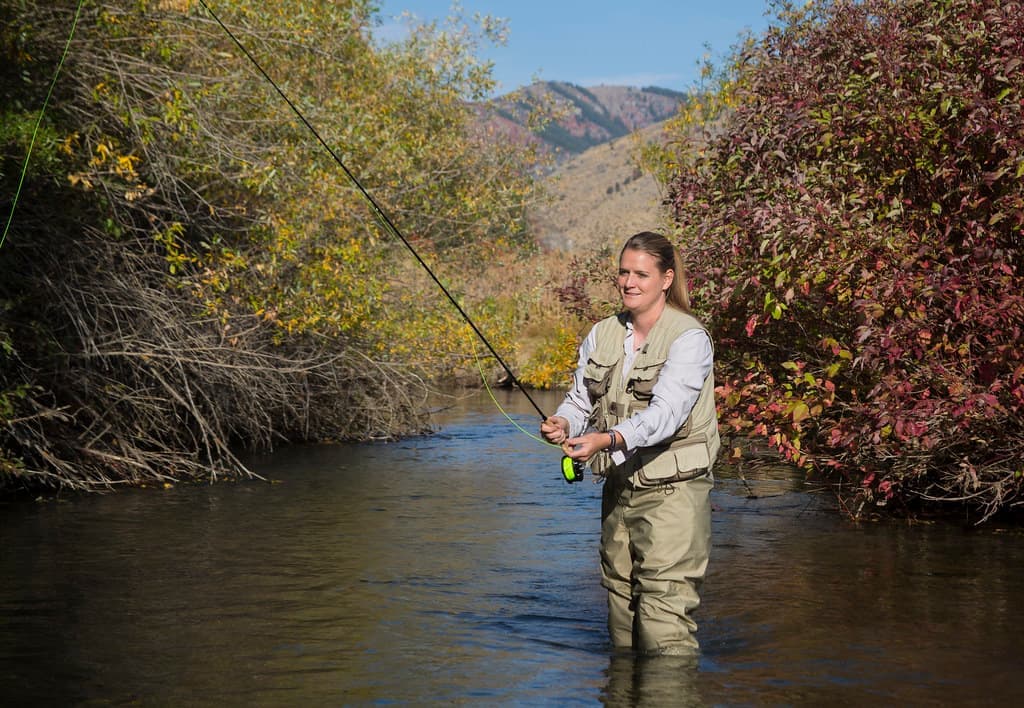
Which brands build a genuine women's pattern rather than a shorter men's wader, and why fit is a safety issue.

Waders & Boots
Breathable insulates nothing and vents sweat; neoprene does the reverse. Compared by water temperature.

Waders & Boots
Felt grips slick rock better and is banned in several states. A sourced state table with issuing agencies.
Waders & Boots
Stockingfoot plus boots versus boots attached — and the one question that decides it.
Waders & Boots
Four-layer fabric throughout and a genuine women's pattern, reviewed — plus who should buy the Tributary.
Waders & Boots
Our top wader pick reviewed — why three-above / four-below is the smartest split at this price.
Waders & Boots
How wader size codes work, what goes wrong when the fit is off, and how to check before committing.
Waders & Boots
Why wading boots go up one to two sizes, how much exactly, and how to check the fit.
Waders & Boots
Above about 65 °F water, no — and this page is here to save you a few hundred dollars.
Waders & Boots
A water-temperature table for waders and layers, with a separate column for standing still.
| Item | Realiztic band | Needed when? |
|---|---|---|
| Nothing — wet wading | Free | Water above roughly 65 °F |
| Wading boots only | Low hundreds | Wet wading, any season |
| Budget breathable waders | Around a hundred dollars | Cool to cold water |
| Mid breathable waders | Low-to-mid hundreds | Cool to cold water, regular use |
| Bootfoot PVC waders | Around a hundred dollars | Cold water, easy wading |
| Wading socks and gravel guards | Price of a takeaway | Any stockingfoot setup |
| Water temp | What to wear | Layers underneath |
|---|---|---|
| Above 65 °F | Nothing. Quick-dry trousers, wading socks, wading boots | None |
| 55-65 °F | Breathable waders, or wet wade if you run warm | Thin synthetic or light merino |
| 45-55 °F | Breathable waders | Fleece trousers or heavy merino |
| Below 45 °F | Breathable with heavy layers, or insulated/neoprene | Fleece plus a base layer, wool socks |
| Standing still, any temp below 55 °F | Add a layer beyond the table | You lose heat far faster standing than wading |
The last row is the one people get wrong. Wading is work and generates heat; standing in one spot in a lake or on a dam does not. Judge your layers by what you will be doing, not by the air temperature in the car park. Waders by water temperature is the full version, including what to wear under waders and why cotton is the wrong answer.
Neoprene waders are warm because neoprene is a wetsuit material: closed-cell foam that insulates. They are also completely impermeable, which means your own sweat has nowhere to go. Walk twenty minutes to the river in neoprene on a mild day and you arrive wet from the inside.
Breathable waders are a laminated fabric that blocks liquid water but passes water vapor. They insulate almost nothing on their own — that is the point. You add insulation underneath and adjust it by season, which makes one pair of waders work from April to November.
For a first pair, buy breathable. The only strong case for neoprene is sitting still in genuinely cold water: ice-out, winter stillwater, duck-hunting-adjacent conditions. Breathable versus neoprene waders has the comparison by temperature band.
Felt soles grip slick bedrock and algae better than rubber does. They also hold moisture and sediment, which is how didymo and other invasive organizms travel between watersheds — and that is why a number of US states have banned felt soles outright.
Check your state's rules before you buy, not after. A felt boot you cannot legally wear is not a bargain. Our felt versus rubber soles page carries a state-by-state legality table with the issuing agency for each entry, and regulations change — verify with your state agency before a trip.
Waders are sized on height, weight and shoe size together, not waist alone. Two things go wrong. Too small in the body and you cannot lift a knee to climb a bank, which is both annoying and a safety problem. Too long and the excess fabric bunches at the crotch — you trip, and the seam you are standing on is the seam that fails.
Wading boots then need to be sized over the neoprene bootie plus a wading sock, which is typically one to two full sizes up from your street shoe size. Buying boots in your normal size is the most common wader-related purchase error there is.
Both are covered properly: wader sizing guide and wading boot sizing guide. If you are buying for a woman, best waders for women covers which brands build a genuine women's pattern rather than a shorter men's wader.
Waders do not make you sink — that is a persistent myth, and a wading belt makes it a non-issue by stopping them filling. What actually gets people into trouble is moving water, and moving water is deceptive: knee-deep current can take your feet out from under you, and the sound of a river tells you nothing about its speed.
Not above roughly 65 °F water temperature. In warm water, wet wading in quick-dry trousers, wading socks and wading boots is cooler, cheaper and more comfortable than any wader. You need waders when the water is cold enough that standing in it for an hour is unpleasant or unsafe — in practice spring, autumn, winter, and any tailwater or spring creek that runs cold year-round.
Breathable, for almost everyone. Breathable fabric passes your sweat as vapor and insulates almost nothing, so you add layers underneath and one pair works from spring to autumn. Neoprene is warm but completely impermeable, so you arrive wet from the inside after any walk in, and it is miserable above about 60 °F. Neoprene only wins when you are sitting still in genuinely cold water.
Yes — neoprene is a wetsuit material, closed-cell foam that insulates on its own. That is both its advantage and its limitation: it keeps you warm in cold water and it cannot vent your own perspiration, so in mild weather or after a walk in you will be wet inside regardless of how waterproof it is.
Rubber, studdable, unless you know felt is legal where you fish and your water is polished bedrock. Felt grips slick algae-covered rock better than rubber, but it holds sediment and moisture that transports invasive organizms between watersheds, and a number of US states have banned it. Rubber is legal everywhere, walks better, and accepts carbide studs for grip when you need it.
It depends on the state, and it changes. Several US states prohibit felt-soled wading footwear specifically to limit the spread of invasive species such as didymo. Our felt versus rubber comparison lists the states we were able to verify along with the issuing agency, but regulations are amended — confirm with your state's fish and wildlife agency before a trip.
On height, weight and shoe size together, not waist alone. Too small in the body and you cannot lift a knee to climb a bank; too long and the fabric bunches so you trip, and the bunched seam is the one that fails. Then size wading boots one to two sizes above your street shoe, because they go over a neoprene bootie plus a wading sock.
Synthetic or merino layers — never cotton, which holds moisture against your skin and stops insulating as soon as it is damp. In cool water, a thin base layer. In cold water, fleece trousers over a merino base, plus wool socks under the wading sock. Breathable waders insulate almost nothing by themselves, so the layers are doing all the work.
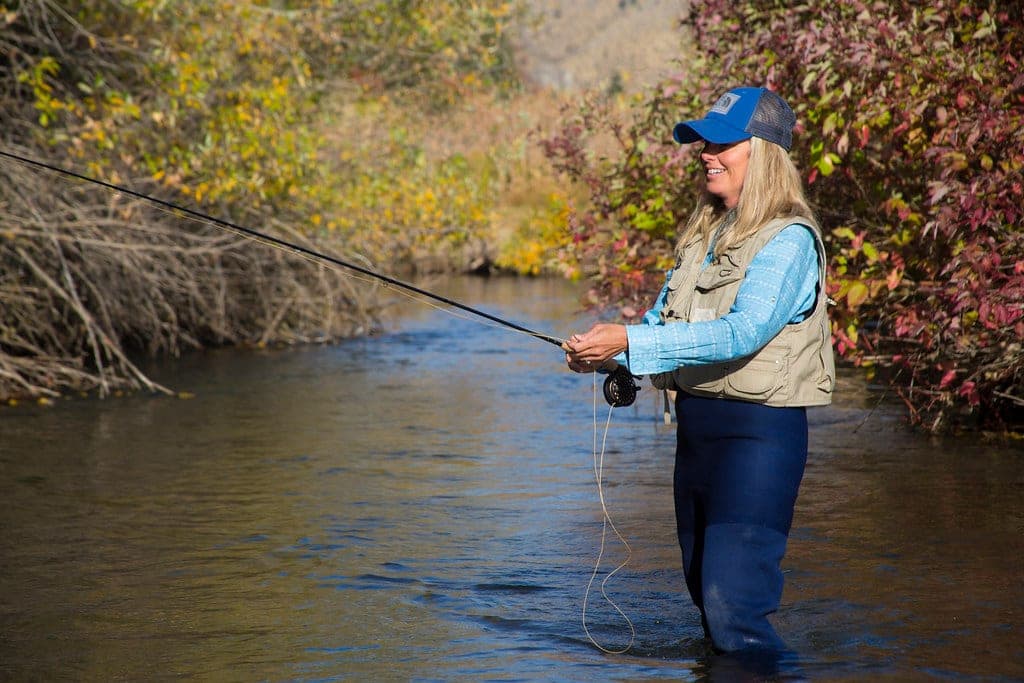
Category
The six things you need, in the order you need them — and the three things everyone tells you to buy that you can skip for now.
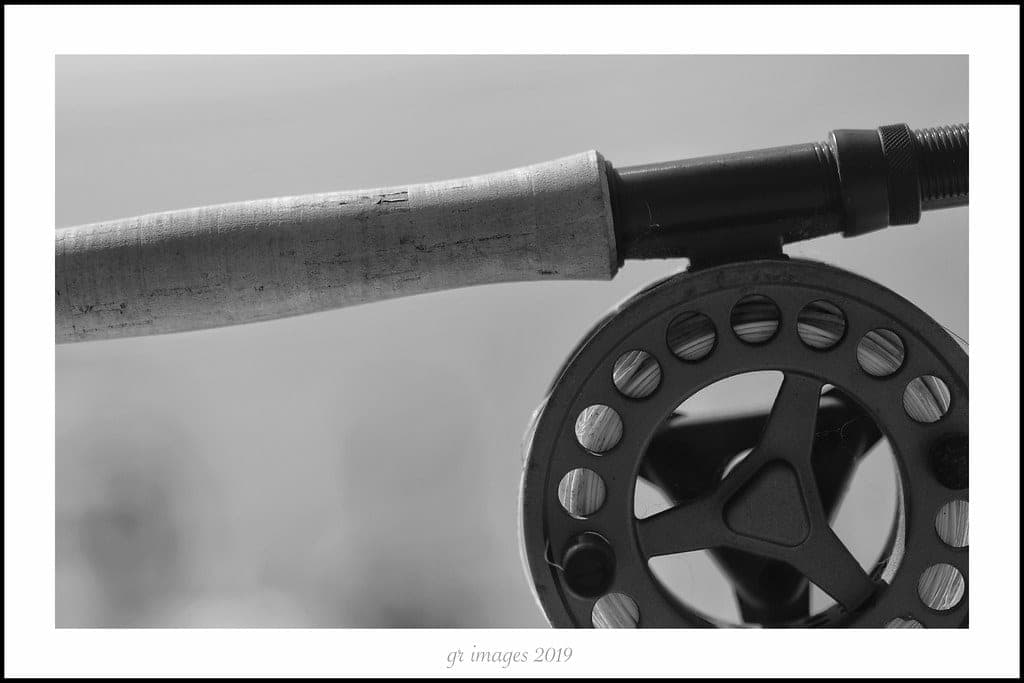
Category
Start with a 9-foot 5-weight. This is the hub that explains why, and which one to buy.

Category
On a trout rod the reel is mostly line storage. Here is the part of it that genuinely matters, and the part you are being sold.