
Best Trout Flies
Best Trout Flies for Beginners
Six patterns catch most trout. The assortments that cover them, and why a 100-fly kit is the wrong first buy.
Category
Nine patterns in the right sizes will out-fish a hundred random flies. Here is the nine, by region.
The short answer
A curated set covering dries and subsurface patterns, sized for a wader pocket. If there is a fly shop within driving distance, go and ask them instead — local knowledge beats any national assortment, and it costs you nothing.
Flies are where fly fishing's reputation for being complicated is actually earned. There are tens of thousands of named patterns, each in a dozen sizes, and a fly shop bin wall gives you no way to tell which twelve of those thousands you need. Most beginners resolve this by buying a hundred-fly bulk assortment, and most of those flies never get wet.
The genuinely useful framing is that there are only three kinds of fly, and the kind matters far more than the pattern name:
A beginner's box needs a handful of each, in a narrow range of sizes, chosen for the region you fish. That is the whole strategy, and it is why this hub is organized by region rather than by pattern. A Parachute Adams in size 16 is useful almost everywhere; a size 8 Salmonfly is useless outside a few western rivers in a six-week window.
And the single best piece of advice on this page, which costs us a commission to give: if there is a fly shop within driving distance, walk in and tell them which river you are fishing and when. They will hand you six flies that out-fish any national assortment, because they know what hatched last week.
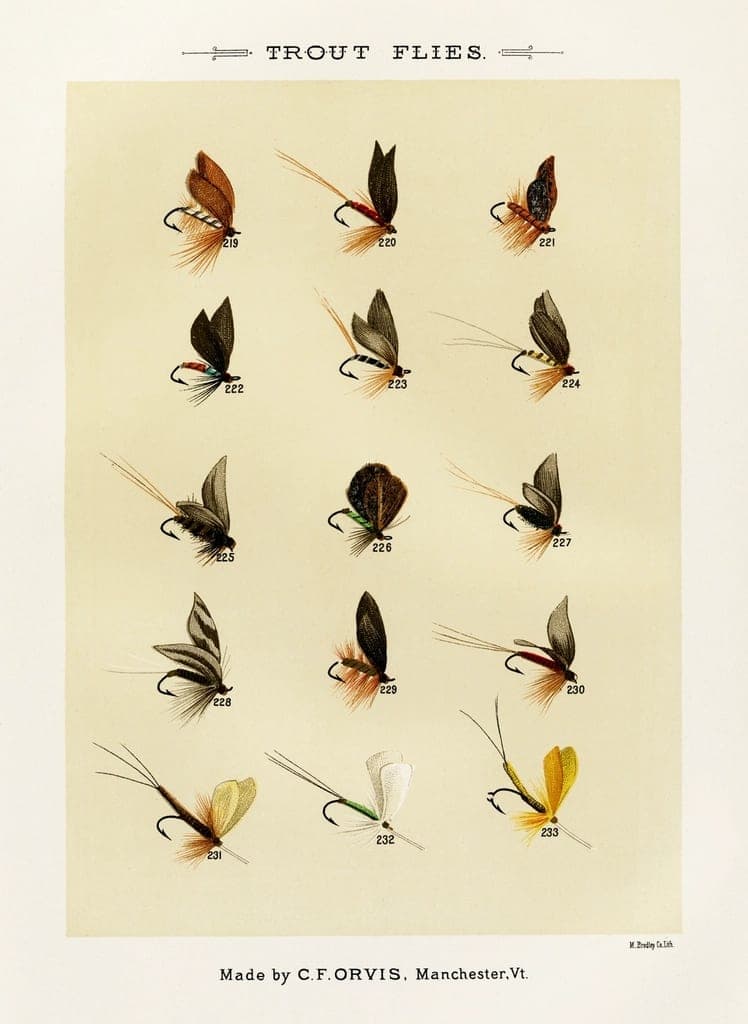
Best Trout Flies
Six patterns catch most trout. The assortments that cover them, and why a 100-fly kit is the wrong first buy.
Best Dry Flies
The four dry-fly patterns that cover most rises, and the assortments that include them.
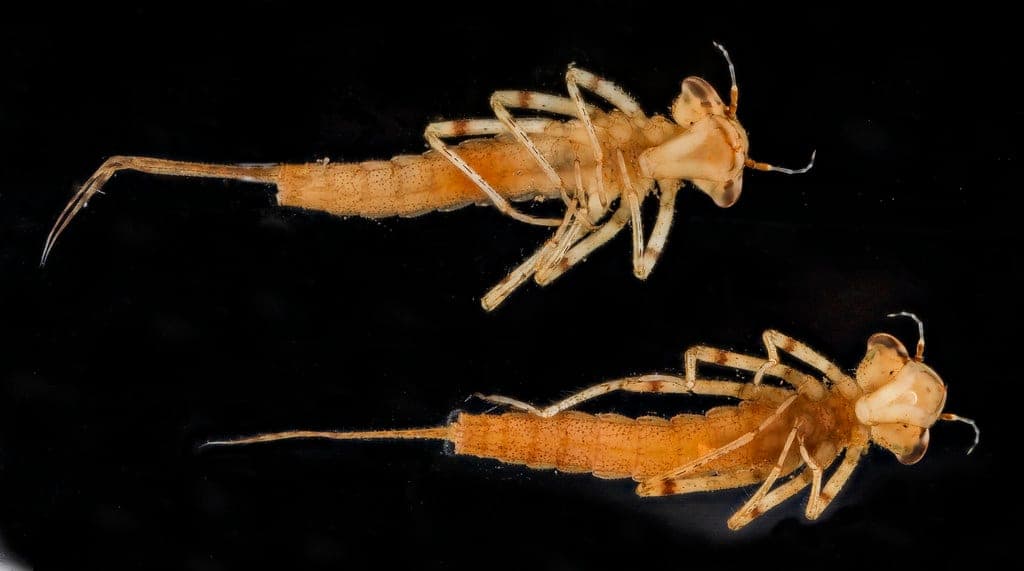
Best Nymphs
Four nymph patterns that catch trout almost anywhere, plus the nymph-only assortments worth owning.
Best Fly Box
What to look for in a fly box, and the slim foam box that holds a first trout selection properly.
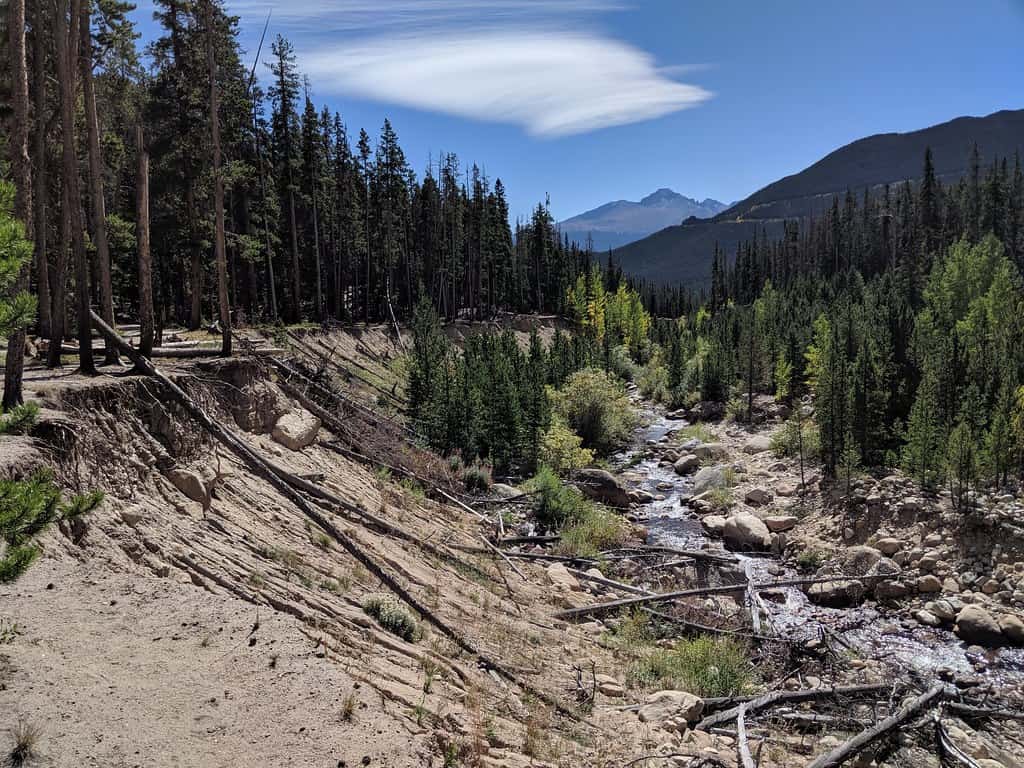
Rocky Mountain Box
The patterns and sizes for Rocky Mountain trout water, plus the regional assortment that covers them.

Northeast Box
Patterns and sizes for Northeast trout streams, with the eastern assortment that covers them.
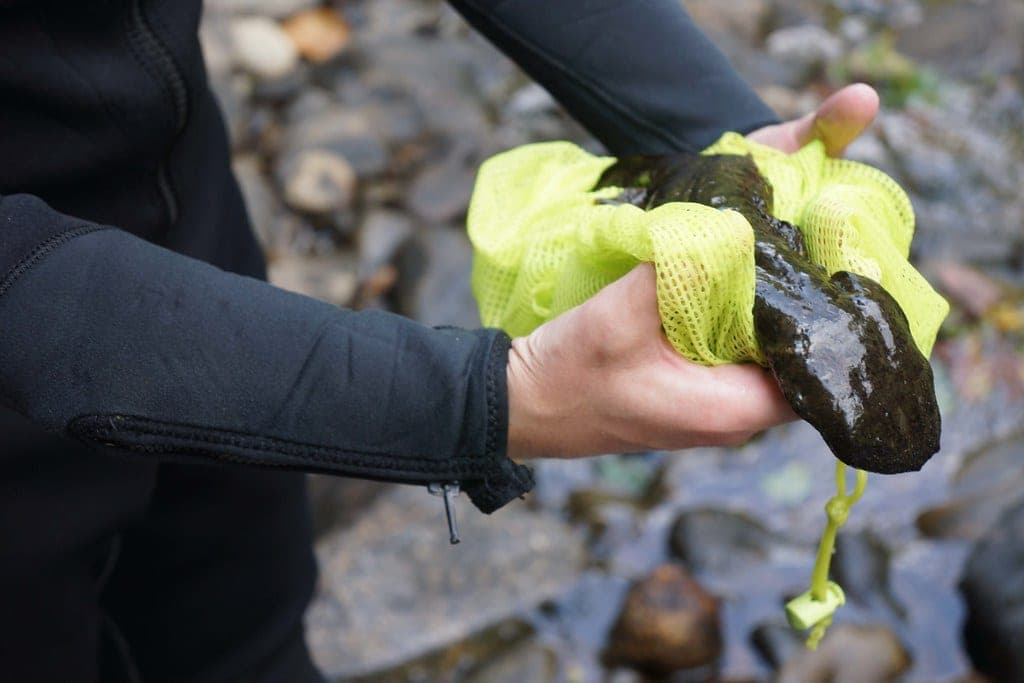
Southeast Box
Patterns and sizes for Southern Appalachian trout water, plus the assortment that covers them.

Northwest Box
Patterns and sizes for Pacific Northwest trout water, with the assortment to start from.

Midwest Box
Patterns for Driftless trout and for the warm-water bass and panfish most Midwest beginners start on.
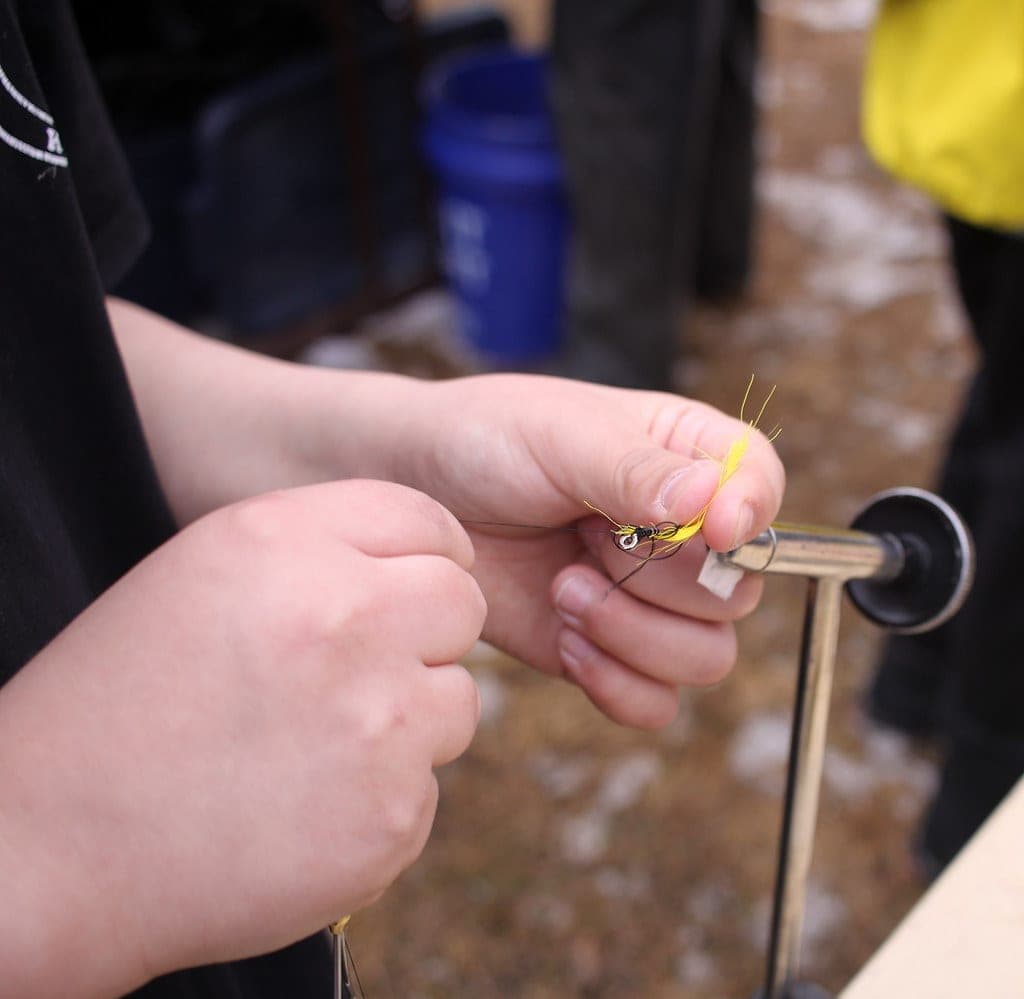
Best Tying Kit
Fly tying kits ranked on vise quality and instruction — plus the honest answer on whether tying saves money.

Flies & Fly Tying
A repeatable method for choosing a fly: read the water, match size first, and know what to do when nothing shows.
Flies & Fly Tying
How to set up a dry-dropper rig: spacing, flies, knots and the mistakes that cause tangles.

Flies & Fly Tying
What every fly tying tool does, which ones matter, and where buying cheap genuinely hurts.
Flies & Fly Tying
Five flies in a deliberate order, each teaching one new tying skill. All five catch fish.
| Item | Realiztic band | Worth it when? |
|---|---|---|
| A dozen flies from a local shop | Price of a takeaway | Immediately — and it is the best value in the sport |
| Curated assortment (around 20 flies) | Tens of dollars | If no local shop is reachable |
| Deep assortment (50-80 flies) | Low hundreds | Second season, not first |
| A good fly box | Tens of dollars | Once your flies outgrow the packet they came in |
| Beginner fly tying kit | Tens of dollars to low hundreds | Once you have caught fish and want a winter hobby |
Regional boxes differ, but there is a core that works nearly everywhere there are trout. If you memorize nothing else, memorize this table.
| Pattern | Type | Imitates | Sizes |
|---|---|---|---|
| Parachute Adams | Dry | Almost any mayfly; a general-purpose dry | 14, 16, 18 |
| Elk Hair Caddis | Dry | Adult caddisfly | 14, 16 |
| Griffith's Gnat | Dry | Midge clusters; winter and flat water | 18, 20 |
| Pheasant Tail Nymph | Nymph | Mayfly nymph | 14, 16, 18 |
| Hare's Ear Nymph | Nymph | Generic mayfly and caddis larva | 12, 14, 16 |
| Beadhead Prince Nymph | Nymph | Stonefly and caddis; gets down fast | 12, 14 |
| Zebra Midge | Nymph | Midge larva; the winter workhorse | 18, 20 |
| Woolly Bugger | Streamer | Leech, sculpin, crayfish — anything | 8, 10 |
| San Juan Worm | Nymph | Aquatic worm; superb after rain | 12, 14 |
Three of each type, three sizes of the most useful ones, and you have a box that fishes. Best trout flies for beginners is the full write-up of that core set, with when each one earns its place.
Trout eat what is available, and what is available depends on the watershed. Rocky Mountain rivers run heavy on stoneflies and have a genuine Salmonfly event. Northeast limestone streams have long, delicate mayfly hatches and demand smaller flies. Southeast Appalachian streams are full of small wild fish that will take an attractor pattern all day. Pacific Northwest water has caddis and sea-run fish. Midwest spring creeks have scuds and a serious Hex hatch.
A national assortment averages across all of that, which means it is slightly wrong everywhere. This is the clearest content gap we found in the whole niche — essentially nobody publishes a genuine starter box by region — so we built one for each:
If you make one mistake buying flies, it will be size. Fly hook sizes run backwards: a size 8 is large, a size 20 is tiny. Most beginners buy flies that are too big, because big flies are easier to see and easier to tie on — and then wonder why fish ignore them.
A rough but reliable rule: on most trout water, sizes 14 to 18 catch the most fish. Go bigger only when you know something big is on the water. Our tippet size chart also maps fly size to tippet size, because a size 20 fly on 4X tippet moves unnaturally and a size 8 streamer on 6X breaks off.
Best dry flies for trout and best nymphs for trout go deeper on each type with the sizes we would buy.
People take up fly tying believing it will save money. It does not — materials for a hundred flies cost roughly what a hundred flies cost, and then you buy a better vise. What tying actually gives you is winter evenings, the ability to make a pattern nobody sells, and a sharper understanding of what you are imitating.
It is also the wrong thing to start with. Learn to cast, catch some fish, work out which three flies do the work on your river — then tie those. Best fly tying kits for beginners covers the kits, fly tying tools explained covers what each tool is for, and the first five flies to tie is the order we would learn them in.
A Parachute Adams in sizes 14-18, an Elk Hair Caddis in 14-16, a Pheasant Tail Nymph in 14-18, a Hare's Ear Nymph in 12-16, a Beadhead Prince Nymph in 12-14, a Zebra Midge in 18-20 and a Woolly Bugger in 8-10. That is seven patterns covering surface and subsurface and it fishes almost anywhere there are trout. Better still: ask a local fly shop which six to buy for your river this month.
Dry flies on the surface when fish are rising, nymphs below the surface the rest of the time, and streamers when you want to cover water and provoke a chase. Trout take the large majority of their food subsurface as nymphs, so a nymph-weighted box will out-fish a dry-weighted one on most days — but a dry fly is the better fly to learn with, because you can see what it is doing.
A Parachute Adams is the single most useful dry fly in America because it suggests almost any mayfly without matching one exactly. Add an Elk Hair Caddis for caddis hatches, which are usually evening, and a Griffith's Gnat in 18-20 for midges, which is what you fish in winter and on very flat water. Those three in a couple of sizes each cover most dry-fly situations a beginner meets.
About a dozen to eighteen, in seven or so patterns and two or three sizes each. That genuinely covers a first season. The reason not to buy more is not cost but learning: with twelve flies you find out why one works and another does not, and with a hundred you mostly find out that you own a hundred flies.
A dry-dropper is a buoyant dry fly with a length of tippet tied off its hook bend and a nymph on the end of that. The dry fly catches fish and also acts as your strike indicator for the nymph, so you fish two depths at once. Use a visible, high-floating dry — a Parachute Adams in 12-14 or a foam attractor — with a beadhead nymph 18 to 30 inches below it.
Small and subsurface. A Zebra Midge in size 18-20 is the winter workhorse on most tailwaters, fished deep and slow. A small Pheasant Tail and a San Juan Worm are the other two to have. Trout feed much less in cold water and almost never look up, so winter success is about fishing small flies slowly in the deeper, slower water where fish are holding.
Category
The six things you need, in the order you need them — and the three things everyone tells you to buy that you can skip for now.
Category
Start with a 9-foot 5-weight. This is the hub that explains why, and which one to buy.

Category
On a trout rod the reel is mostly line storage. Here is the part of it that genuinely matters, and the part you are being sold.