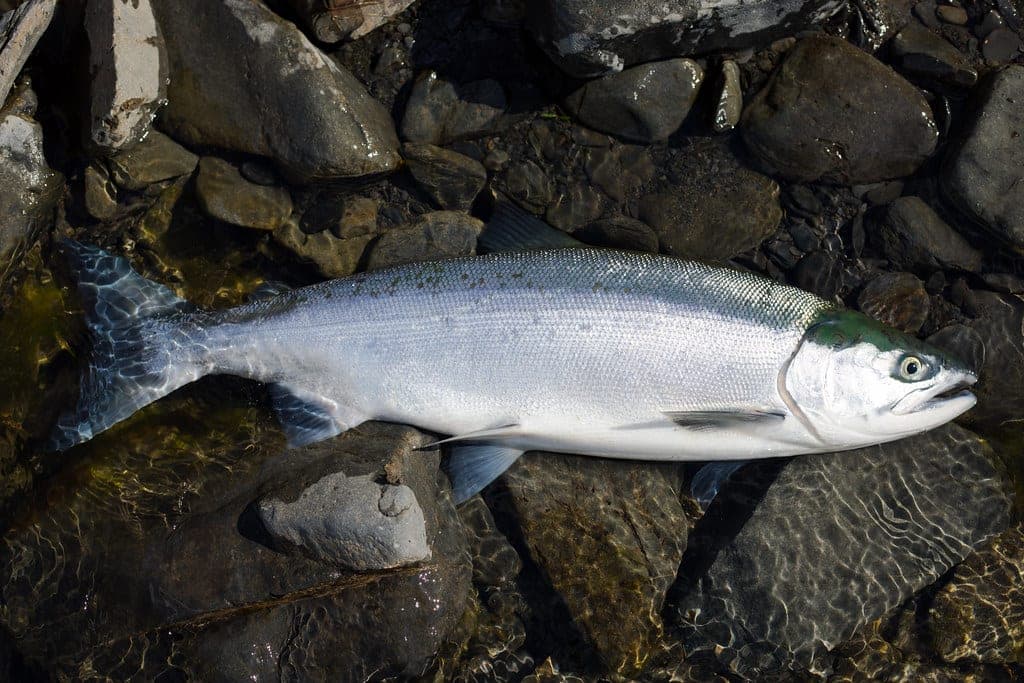
Best Beginner Combo
Best Fly Rod Combos for Beginners
Five 9-foot 5-weight outfits ranked on action, line quality and warranty — with a clear default pick.
Category
Start with a 9-foot 5-weight. This is the hub that explains why, and which one to buy.
The short answer
A 9-foot 5-weight with a forgiving action, a sealed-drag reel you will not outgrow, line and leader already spooled, and a 25-year rod guarantee. If you want one answer and no further reading, this is it.
A fly rod is a spring. You load it by moving line, it unloads and throws that line, and the fly goes wherever the line goes. Understanding that one sentence changes how you shop, because it tells you the rod is not the thing doing the casting — the line is, and the rod is what accelerates it.
Which is why there are only three specifications on a fly rod that a beginner needs to care about, and why the glossy marketing language about modulus and resin systems is noise at this stage:
For a first rod the right answer is almost always 9 feet, 5-weight, 4-piece, moderate to medium-fast action. That rod will fish trout in rivers and streams, bass and panfish in ponds, dry flies and nymphs, and it is forgiving enough that your casting faults do not become unfixable habits. The pages in this hub exist to confirm that for your specific water, and then to tell you which one to buy.
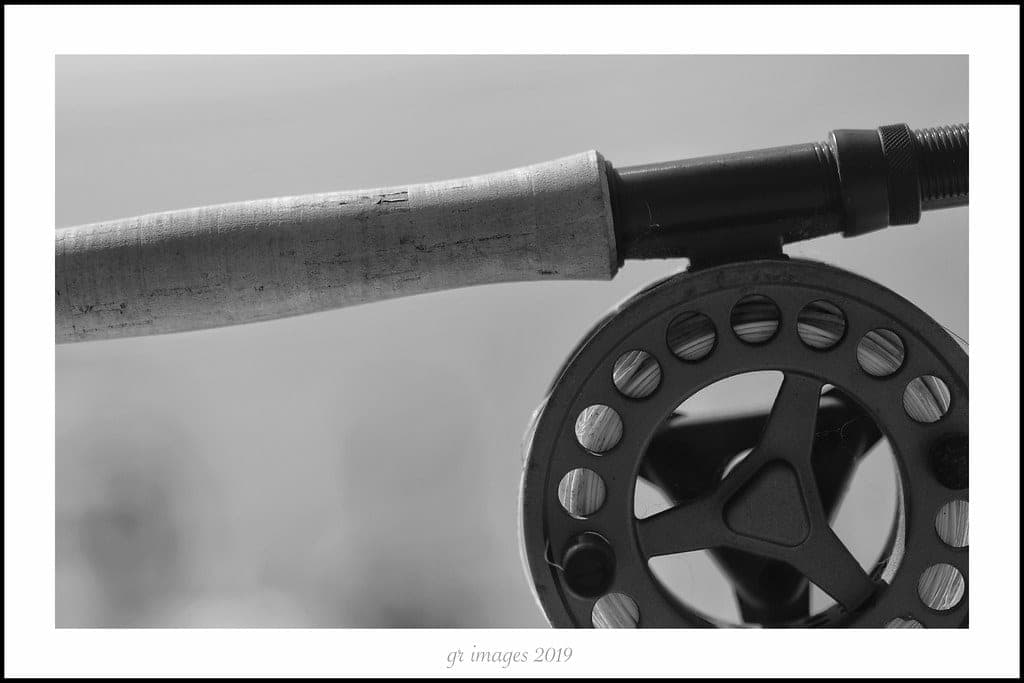
Best Beginner Combo
Five 9-foot 5-weight outfits ranked on action, line quality and warranty — with a clear default pick.

Best 5-Weight
The most useful single fly rod weight in America, with picks as both bare rods and complete outfits.
Best Under $200
The sub-$200 band is where combos stop compromising on the fly line. Four picks, ranked.

Best Under $100
What around-$100 actually buys, what it compromises, and when that is the right trade.

Best for Trout
Trout rods chosen by water type — big rivers, small streams and spring creeks each want something different.

Fly Rods & Combos
The 5 presents better; the 6 handles wind and weight. Which conditions should push you either way.

Fly Rods & Combos
A 4-weight is more fun and less versatile. The specific waters where it is genuinely the better first rod.
Fly Rods & Combos
Fast rods are marketed harder and are worse to learn on. What action means and how to tell in a shop.

Fly Rods & Combos
Our default beginner pick, reviewed in full — including the budget at which you should buy something else.
Fly Rods & Combos
The cheaper Orvis outfit, and why its softer action is an advantage rather than a compromise.

Fly Rods & Combos
The best line-for-the-money in a budget outfit, with a one-year warranty as the obvious trade.
Fly Rods & Combos
A lifetime rod warranty at an entry-kit price. Where Echo took the savings, and why it is the right place.
Fly Rods & Combos
A no-fault lifetime warranty on a moderate-action blank, held back by availability that has thinned.

Fly Rods & Combos
The cheapest complete outfit with an aluminum reel, and an honest account of its fast-action problem.
Fly Rods & Combos
The most complete starter box there is, plus the 5/6-weight compromise you are accepting.
Fly Rods & Combos
Rod weight 1 to 12 mapped against species, water type and line weight, in one semantic table.

Fly Rods & Combos
The number on a fly rod is the line weight, not the rod's weight. The whole system in plain language.

Fly Rods & Combos
Why 9 feet is the default, when shorter is genuinely better, and what length actually buys you.

Fly Rods & Combos
Where a rod bends under load, how to tell actions apart by hand, and which to buy first.
Fly Rods & Combos
Six decisions in order, from water type to warranty — and three specs you can safely ignore.
| Tier | What you get | Realiztic band |
|---|---|---|
| Entry combo | Rod, reel, line, case. Often flies and tools too | Around a hundred dollars |
| Mid combo | Branded line, better reel, longer rod warranty | Low-to-mid hundreds |
| Rod only, mid | A rod you keep for a decade; reel and line extra | Low-to-mid hundreds |
| Buy-once outfit | Premium blank, premium line, rigged in the case | High hundreds |
A 5-weight is the most widely stocked rod weight in America, which means the widest choice of rods, lines and leaders, the most tutorials and the most second-hand options. That alone is a real advantage for a beginner. It also happens to sit at the point where a rod can throw a size 18 dry fly delicately and a weighted size 10 nymph without complaint.
Nine feet is the default length because line control matters more than people expect. A longer rod lifts more line off the water, reaches over a conflicting current to keep your fly drifting naturally, and gives you a bit more leverage on a fish. The cost is that it catches on branches.
Rod action describes where a rod bends under load. A fast rod is stiff and bends only in the top third. A moderate or medium-fast rod bends lower into the blank. Manufacturers market fast actions hard, because in trained hands they are more accurate at distance and better in wind.
In untrained hands a fast rod is a worse rod, and this is the single most useful piece of shopping advice on this hub. Learning to cast means learning to feel the rod load so you know when to stop and let it unload. A rod that barely bends gives you almost no signal, so beginners compensate by throwing harder — which collapses the loop, which feels like failure, which is why people quit.
Fly rod action explained goes deeper, and fast versus medium action is the direct comparison with a table.
For a first purchase, a combo. The rod, reel and line are matched, the reel arrives with backing, line and a leader already attached in the right order, and the bundle costs less than the same parts bought separately. The sequence of attaching backing to an arbor and line to backing is a genuinely awkward evening if nobody has shown you.
Buy a rod alone when you already own a reel and line you are happy with, or when you have a specific rod in mind and the matching outfit does not exist. Combo versus buying separately has the full comparison.
Going up in price on a beginner combo buys you three things in roughly this order: a better fly line, a longer warranty, and a better reel. It does not buy you a dramatically better rod — the blank differences between a hundred-dollar and a two-hundred-fifty-dollar 5-weight are real but small compared with the difference your own casting makes.
That is why our value pick is the combo with the best line in it rather than the cheapest one, and why we would rather you spent an extra thirty dollars on a leader, tippet and twelve flies than on a nominally better rod. See best combos under $200 and best combos under $100 for the two budget tiers.
We have a single-model review for each combo in the roundup, and each one states what we compared and what we could not assess. We do not run a test lab, we have not fished every rod on this page for three seasons, and we are not going to imply we have. What we can do is compare published specifications side by side, read what experienced anglers consistently report about a model, and be specific about who each rod is wrong for.
Our full standard for this is on How We Choose, and it is worth two minutes if you want to know how much weight to put on anything we say.
It is the weight of the fly line the rod is built to cast, on a standard scale from 1 to 14 — not the physical weight of the rod. A 5-weight rod casts a 5-weight line. The line's weight is what carries the nearly weightless fly, so matching the two is the single most important compatibility in fly fishing. Fly rod weight explained covers the whole system.
A 5-weight. It casts small dry flies delicately enough for selective trout and still handles a weighted nymph or a small streamer, it is the most widely stocked weight in America so lines and leaders are easy to find, and it covers trout, bass and panfish. If your water is consistently big and windy, a 6-weight is the better all-rounder.
A 5-weight for most trout water. A 6-weight is the better choice if you fish large rivers, deal with regular wind, throw weighted nymph rigs or streamers, or expect to fish bass as much as trout. The 6 is slightly less delicate with small dry flies and slightly more capable with everything heavier. 5-weight versus 6-weight has the full comparison.
Action describes where the rod bends under load. Fast rods bend only near the tip; moderate and medium-fast rods bend lower into the blank. A beginner should choose moderate or medium-fast, because a rod that bends gives you the feedback you need to learn when it has loaded. Fast rods are more capable in trained hands and more frustrating in untrained ones.
Yes, mostly for line control rather than casting distance. A 9-foot rod lifts more line off the water, reaches over a conflicting current to keep the fly drifting naturally, and gives you more leverage on a fish. A shorter rod of 8 feet to 8-foot-6 is easier to cast under branches on small creeks. Nine feet is the right default unless your water is genuinely tight.
Yes, with one condition: check what line it comes with. The blank differences between a cheap and a mid-priced 5-weight are small compared with the difference the line makes, so a cheap combo shipping a real branded line will out-cast a slightly better rod paired with a stiff house line. That is why our value pick is the combo with the best line rather than the lowest price.
Category
The six things you need, in the order you need them — and the three things everyone tells you to buy that you can skip for now.

Category
On a trout rod the reel is mostly line storage. Here is the part of it that genuinely matters, and the part you are being sold.

Category
Your rod does not cast the fly — the line does, and the fly goes along for the ride. This is the most under-explained part of the sport.