Waders & Boots
Best Wading Boots for Slippery Rocks
Traction on algae-covered bedrock is a sole problem, not a boot problem. Buy for the sole you are allowed to use on your water.
If your water is slick bedrock and you do not yet know whether felt is legal where you fish, buy the [Korkers Greenback](#korkers-greenback-boot) — it ships with two interchangeable soles, so you can run felt where it is allowed and rubber where it is not. If felt is legal on your river, the [Orvis Clearwater boot](#orvis-clearwater-boot) in the felt sole is the cheapest honest answer.
The important thing to understand before spending anything: on algae-covered rock the boot barely matters and the sole matters enormously. Upper materials, lacing systems and ankle height change comfort. Only the sole changes whether you stay upright. That is why this page is organized around soles and stud compatibility rather than brands.
The short list
| # | Pick | Best for | Score | Price |
|---|---|---|---|---|
| 1 | Korkers Greenback Wading BootOmniTrax interchangeable solesBest Overall | Felt and rubber both in the box, swappable at the car | 7.9 | Check price on Amazon |
| 2 | Orvis Clearwater Wading BootsFelt or rubber soleBest Value | Choose felt or rubber at the entry price, with a plate that holds studs | 7.9 | Check price on Amazon |
| 3 | Simms Freestone Wading BootHardbite-compatible outsoleBest Upgrade Pick | A rubber outsole built to accept Hardbite studs | 8.1 | Check price on Amazon |
| 4 | Frogg Toggs Hellbender Wading ShoeReplaceable felt outsoleBest Under $150 | A replaceable felt outsole at the bottom of the price range | 7.4 | Check price on Amazon |
1. Best Overall
Korkers Greenback Wading Boot
The right boot if you fish several different rivers, or one river in a state where felt rules might change.
| Spec | Value |
|---|---|
| Sole system | OmniTrax interchangeable |
| Soles included | Two |
| Upper | Hydrophobic |
Korkers' OmniTrax system lets you pull one sole off and clip another on without tools, and the Greenback ships with two. That solves a problem that is genuinely awkward otherwise: felt grips slick bedrock better than anything, and felt is banned in a number of US states because it carries invasive organizms between waters.
With interchangeable soles you can carry both and comply with whichever state you are standing in. If you fish across state lines at all, read our felt versus rubber soles comparison before buying a fixed-sole boot.
The cost is complexity. The interface takes grit, and it is a wear point a one-piece boot does not have. For one home river, that complexity buys you nothing.
What we like
- Two soles in the box means you can run felt where it is legal and rubber where it is not
- Swapping soles takes a minute in the car park, with no tools
- Hydrophobic upper sheds water rather than soaking it up
What you give up
- The sole interface is one more thing that can wear out or clog with grit
- More expensive than a fixed-sole boot
| Criterion | Score / 10 |
|---|---|
| Traction | 9 |
| Support | 8 |
| Durability | 7 |
| Drainage | 8 |
| Value | 7 |
| Overall | 7.9 |
2. Best Value
Orvis Clearwater Wading Boots
The entry boot that still lets you pick your sole compound, with a midsole plate that actually holds studs.
| Spec | Value |
|---|---|
| Upper | Full synthetic leather with scratch-rubber toe, vamp and heel counter |
| Toe protection | Heavy-duty rubber toe bumper |
| Footbed | Integrated EVA foam |
| Midsole | Phylon with ESS plate for stability and stud retention |
| Sole options | Felt or rubber |
| Fits | Men's and women's |
Orvis's Clearwater boot is the value option that does not feel like one. The upper is full synthetic leather with scratch rubber on the toe, vamp and heel counter and a heavy-duty rubber toe bumper. Inside, an EVA footbed sits over a phylon midsole with an ESS plate — and that plate is the detail that matters, because it is what stops a screw-in stud from pulling straight through the sole.
You pick felt or rubber when you buy. Felt grips slick rock better; rubber walks better and is legal everywhere. Our felt versus rubber comparison includes which states ban felt, and that is the first thing to check, not the last.
Both men's and women's versions exist. If you have been trying to make men's boots work in a smaller size, this is a straightforward fix.
What we like
- You choose felt or rubber at purchase rather than compromising
- The ESS plate in the midsole means studs stay in rather than pulling through
- A heavy rubber toe bumper is the difference between a scuffed boot and a split one
- Proper women's version
What you give up
- Sole choice is permanent — you cannot swap it later like the Korkers
- Felt version is illegal to use in several US states
| Criterion | Score / 10 |
|---|---|
| Traction | 8 |
| Support | 7 |
| Durability | 8 |
| Drainage | 7 |
| Value | 9 |
| Overall | 7.9 |
3. Best Upgrade Pick
Simms Freestone Wading Boot
The boot to buy when you do not yet know your river: a solid rubber-soled walking boot that accepts studs the day you find out you need them.
| Spec | Value |
|---|---|
| Upper | Synthetic leather |
| Midsole | Dual-density EVA |
| Outsole | Hardbite-compatible (accepts studs) |
The single most useful feature on a first wading boot is the ability to add studs later. New anglers do not yet know whether their water is friendly gravel or polished, algae-covered bedrock, and the answer changes which sole you want. The Freestone's outsole is Hardbite-compatible, meaning you can screw in studs when you find out.
The rest is a properly built walking boot: a synthetic leather upper and a dual-density EVA midsole, so the boot actually walks rather than just standing in water. Synthetic uppers also drain and dry faster than leather, which matters because the main way invasive species move between rivers is in wet gear.
If your water turns out to be slick, add studs. If it turns out to be gravel, you have lost nothing. That optionality is the reason this is the pick.
What we like
- Stud-compatible, so you can add grip later once you know how slick your river is
- Dual-density EVA midsole is a real walking midsole, not a slab of rubber
- Synthetic leather upper dries faster than real leather and will not harbor invasive species the way felt can
What you give up
- Studs are an extra purchase
- Synthetic uppers are warm on a long dry walk in
| Criterion | Score / 10 |
|---|---|
| Traction | 8 |
| Support | 9 |
| Durability | 8 |
| Drainage | 8 |
| Value | 7 |
| Overall | 8.1 |
4. Best Under $150
Frogg Toggs Hellbender Wading Shoe
The budget boot with a replaceable sole, which only makes sense where felt is legal.
| Spec | Value |
|---|---|
| Upper | Durable mesh with PVC shell |
| Midsole | Thick lightweight |
| Outsole | Replaceable felt |
| Lacing | Heavy-duty riveted speed lacing |
The Hellbender wading shoe is a mesh-and-PVC boot with a thick lightweight midsole, riveted speed lacing and — unusually at this price — a replaceable felt outsole. A felt sole wears out before the rest of a boot does, so being able to replace it rather than the whole boot is a real saving.
The mesh upper drains quickly, which is more pleasant than it sounds; a boot that holds a liter of water is a boot you lift with every step. The flip side is that mesh and PVC take brush damage faster than synthetic leather.
The non-negotiable caveat: felt is illegal in a number of US states because it transports invasive organizms between waters. Check the table on our felt versus rubber page before buying.
What we like
- A replaceable outsole on a budget boot is unusual and genuinely extends its life
- Mesh upper drains fast, which keeps the weight off your feet when you step out
- Riveted speed lacing is quick with cold hands
What you give up
- Felt outsole is banned in several US states
- Mesh and PVC will not last as long as synthetic leather in brush
| Criterion | Score / 10 |
|---|---|
| Traction | 8 |
| Support | 6 |
| Durability | 6 |
| Drainage | 9 |
| Value | 9 |
| Overall | 7.4 |
Why rocks are slippery, and what actually grips
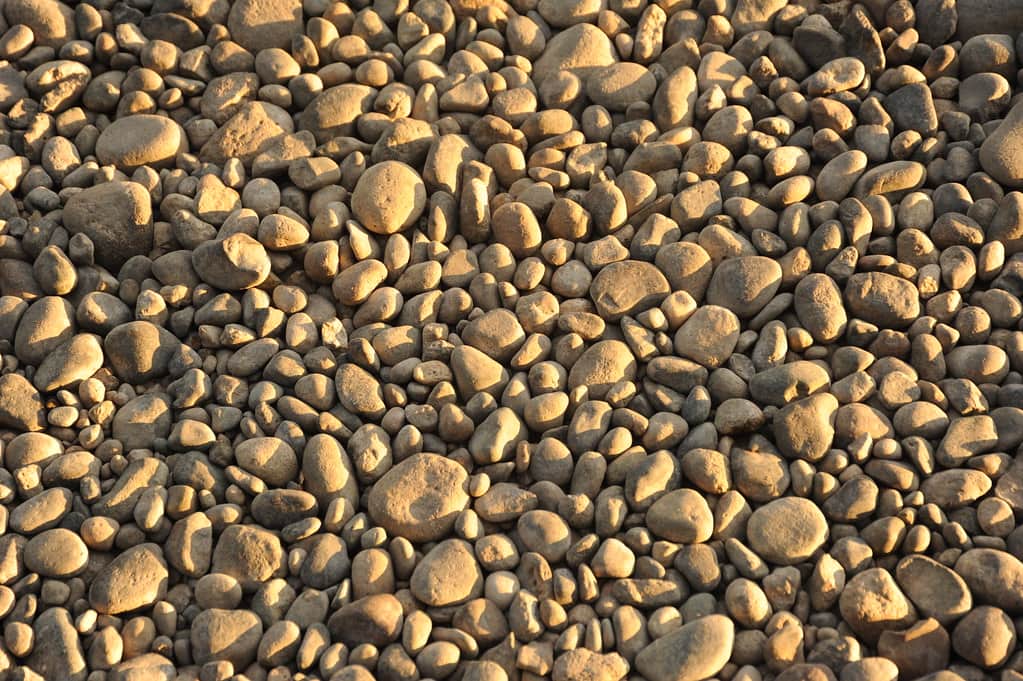
River rocks are not slippery because they are wet. They are slippery because of periphyton — the thin biofilm of algae and diatoms that coats stable stone in sunlit water. That film is slimy, it shears under load, and it is why a dry rock that looks identical gives perfect grip while the submerged one next to it does not.
| Sole | Grip on algae-covered rock | Grip on dry bank | Legal everywhere? |
|---|---|---|---|
| Felt | Best available | Poor — slides on grass and mud | No — banned in several US states |
| Felt plus studs | Best overall combination | Poor | No, where felt is banned |
| Rubber plus studs | Very good | Good | Yes |
| Rubber, unstudded | Moderate | Very good | Yes |
| Cleated rubber (bootfoot style) | Weakest | Good | Yes |
Felt works because its fibres conform into the micro-texture under the biofilm rather than riding on top of it. Nothing synthetic has fully replaced that. Our full comparison is in felt vs rubber soles, which is the page to read if you have not already decided.
Studs are the cheapest upgrade on this page
A set of studs costs a fraction of a boot and changes traction more than moving up two price tiers. They are small carbide or steel screws that thread into the outsole and bite through the biofilm into the rock itself.
- Studs fix rubber. Unstudded rubber on algae is mediocre. Studded rubber is close to felt and legal everywhere.
- They need a sole built for them. A midsole plate stops the stud pulling through under load. The Orvis Clearwater boot uses a Phylon midsole with an ESS plate specifically for stud retention; the Simms Freestone outsole is Hardbite-compatible.
- Do not stud a boot that has no plate. The studs work loose, and you end up with holes in the sole and no grip.
- They are loud on rock and bad on boat decks. Worth knowing before you wear them into a drift boat.
If you are buying a boot today and will fish somewhere genuinely treacherous later, buying a studdable rubber sole now and adding studs later is the sensible sequence. That is the main argument for the Simms Freestone over the cheaper boots here.
The four boots, side by side
| Boot | Sole | Studdable | Upper | Notable |
|---|---|---|---|---|
| Korkers Greenback | OmniTrax interchangeable, two soles included | Yes, via sole choice | Hydrophobic | Swap soles in a minute with no tools |
| Orvis Clearwater | Felt or rubber, chosen at purchase | Yes — ESS midsole plate for stud retention | Synthetic leather with scratch-rubber toe and heel | Men's and women's fits |
| Simms Freestone | Hardbite-compatible rubber | Yes — designed for Simms studs | Synthetic leather | Dual-density EVA midsole |
| Frogg Toggs Hellbender | Replaceable felt | Not stated | Mesh with PVC shell | Riveted speed lacing |
The pattern: three of the four let you choose or change your traction, and that flexibility is what you are paying for. The Korkers gives you both soles up front, the Orvis lets you pick one and add studs, the Simms is built around studs. The Frogg Toggs is the cheapest route to felt and only makes sense where felt is legal — because a replaceable felt sole on water that bans felt is a boot with no plan B.
What a boot cannot fix
Good soles raise your margin. They do not remove the need to wade carefully, and the people who fall in are usually the ones who bought traction and stopped thinking.
- Wear a wading belt, tight, every time. It is the single most important piece of safety equipment you own, and it comes free with most waders.
- Move one foot at a time and keep three points of contact. Shuffle rather than step over. Never cross your feet.
- Use a staff or a stick in fast water. A length of wood found on the bank is better than nothing.
- Face slightly upstream and sidestep. Current pushing against the back of your knees is what buckles them.
- Walk on the dull rocks. Shiny and dark usually means biofilm; matte and pale usually means it dries out regularly.
Our wading boot sizing guide covers the other half of staying upright, which is a boot that is actually the right size over a neoprene bootie — a loose boot rolls your ankle no matter what is on the bottom of it.
Which to buy, by your water
| Your water | Buy | Why |
|---|---|---|
| Slick limestone or bedrock, felt legal | Orvis Clearwater, felt sole | Felt is still the best thing there is on biofilm |
| Slick bedrock, felt banned | Simms Freestone plus studs | Studded rubber is the legal equivalent |
| Several states, rules differ | Korkers Greenback | Two soles in the box solves it permanently |
| Rounded cobble and gravel | Any rubber sole here | Cobble is far less slippery than flat bedrock |
| Long hike in, then wading | Rubber, studded | Felt is poor on dry trail and wears out walking |
| Lowest possible price, felt legal | Frogg Toggs Hellbender | Replaceable felt at the bottom of the range |
If you have not bought waders yet, buy them before the boots — stockingfoot waders need boots sized over the bootie, and buying in the other order is how people end up with boots a size too small. Best fly fishing waders is the roundup, and stockingfoot vs bootfoot explains why this page assumes stockingfoot at all.
Questions people actually ask
What sole is best for slippery rocks?
Felt, with studs in it, is the best traction available on algae-covered bedrock. Felt is banned in several US states, so the legal equivalent is a studded rubber sole, which gets close. Unstudded rubber is noticeably worse on biofilm, and cleated rubber bootfoot soles are the weakest option of all.
Are studs worth adding to wading boots?
They are the cheapest meaningful traction upgrade there is — a set of studs costs a fraction of a boot and improves grip on slick rock more than moving up two price tiers. The condition is that the boot needs a midsole built to retain them, otherwise the studs work loose and you are left with holes.
Why is felt banned in some states?
Felt fibres hold water and can carry invasive organisms such as didymo between watersheds, and felt is very hard to fully dry or disinfect. Several US states prohibit it for that reason. The rules differ by state and change over time, so check your own state wildlife agency before buying felt.
Do I need special boots, or can I wear hiking boots?
Hiking boots will get you through a season on gentle gravel, but they are a poor choice on slick rock: a hiking outsole is designed to grip dry trail, the mesh holds grit, and they do not drain. They also will not fit over a neoprene wader bootie, which is the practical dealbreaker.
Why do my rocks seem more slippery than other rivers?
Stable sunlit stone grows more periphyton biofilm than rock that tumbles in high water. Tailwaters and spring creeks with steady flows are typically the slickest, because the rocks sit undisturbed long enough for a full film to establish. Flashy freestone rivers scour themselves clean.
Should I buy boots or waders first?
Waders first. Stockingfoot waders end in a neoprene bootie and the boot has to fit over it, which usually means going one to two sizes up from your street shoe. Buying boots first and waders second is the single most common way people end up with boots that are too tight.
Where these figures come from
- Korkers Greenback wading boot — OmniTrax interchangeable sole system, two soles included
- Orvis Clearwater Wading Boots — felt or rubber sole options, Phylon midsole with ESS plate for stud retention
- Simms Freestone Wading Boot — Hardbite-compatible outsole, dual-density EVA midsole
- Frogg Toggs Hellbender wading shoe — replaceable felt outsole, riveted speed lacing
Read next
Waders & Boots
Felt vs Rubber Wading Boot Soles
Felt grips slick rock better and is banned in several states. A sourced state table with issuing agencies.
Best Wading Boots
Best Wading Boots
Wading boots ranked on traction and sole options — and why felt legality comes before the purchase.
Waders & Boots
Wading Boot Sizing Guide
Why wading boots go up one to two sizes, how much exactly, and how to check the fit.
Waders & Boots
Do I Need Wading Boots?
Whether you need wading boots at all, decided by which waders you own and what water you fish, plus the three boots worth buying if the answer is yes.