Flies & Fly Tying
Starter Fly Box: Rocky Mountain Trout
Freestone rivers, tailwaters and high-country creeks from Colorado to Montana. Here is what belongs in the box.
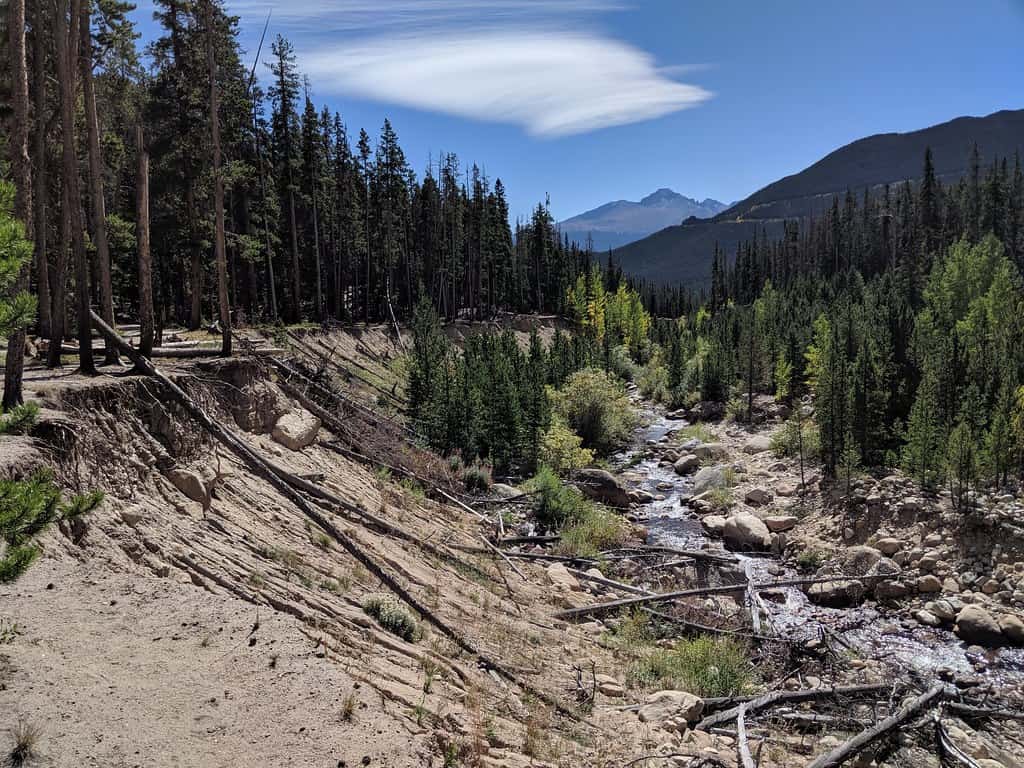
Rocky Mountain water divides into three types that want different things: freestone rivers that run high and cold with snowmelt into early summer, tailwaters below dams that stay cold and clear all year and hold fussy fish, and high-country creeks full of eager, unselective trout.
One box can cover all three if you choose for size range rather than pattern count. The regional assortment above is the fastest route; the table below is what to look for in it, or to buy as singles.
The short list
| # | Pick | Best for | Score | Price |
|---|---|---|---|---|
| 1 | Umpqua Southern Rockies Fly Selection19-fly Deluxe · 56-fly GuideBest Overall | Patterns chosen for Rocky Mountain water specifically | 8.5 | Check price on Amazon |
| 2 | Orvis Essential Trout Fly SelectionPre-packaged assortmentRunner-Up | A broader national selection that still fishes well out west | 7.8 | Check price on Amazon |
| 3 | Orvis Essential Trout Nymph AssortmentNymphs onlyBest Value | Nymphs, which is what most western fishing comes down to | 7.8 | Check price on Amazon |
1. Best Overall
Umpqua Southern Rockies Fly Selection
The right Umpqua set if you fish Colorado, Wyoming, Utah or northern New Mexico — regional selection is what makes a pre-packed box worth buying.
| Spec | Value |
|---|---|
| Deluxe version | 19 flies |
| Guide version | 56 flies |
| Scope | Patterns selected for Southern Rockies water |
Umpqua's regional selections solve the real objection to pre-packed fly boxes, which is that a national assortment is a compromise everywhere. The Southern Rockies selection is weighted toward the patterns that work on Rocky Mountain water, and it comes in a 19-fly Deluxe and a 56-fly Guide version.
If you fish the Rockies, start with the Deluxe. Nineteen flies in the right patterns will cover more days than a hundred random ones, and you will learn what each is for because there are few enough to keep track of.
If you fish elsewhere, buy elsewhere in the range — our regional starter fly box pages break down what the right patterns are by region, and there is an Umpqua Eastern Trout selection for the other half of the country.
What we like
- Regional rather than national, which is the whole point of a fly selection
- Two sizes, so you can start small and go deeper later
- Commercially tied patterns that match what Rocky Mountain shops stock
What you give up
- Wrong region is worse than no region
- The Deluxe is small enough that you will still want tippet-friendly sizes added
| Criterion | Score / 10 |
|---|---|
| Pattern choice | 9 |
| Hook quality | 9 |
| Beginner value | 8 |
| Local relevance | 9 |
| Value | 8 |
| Overall | 8.5 |
2. Runner-Up
Orvis Essential Trout Fly Selection
The right first fly purchase if you do not have a local shop to ask — a curated set rather than a hundred random flies.
| Spec | Value |
|---|---|
| Type | Pre-packaged trout fly assortment |
| Packaging | Sized to slip into a wader pocket or sling pack |
| Related sets | Essential Trout Dries and Essential Trout Nymph assortments sold separately |
The hardest part of buying your first flies is that the question has no general answer: the right fly depends on your river, the month and what is hatching. Faced with that, most beginners buy a hundred-fly bulk assortment, and most of those flies never get fished.
A curated assortment is the better compromise. Orvis's Essential Trout Fly Selection is a pre-packaged set sized to live in a wader pocket, and Orvis also sells dries-only and nymph-only versions if you already know which style your water calls for.
The honest caveat, and we would rather say it than sell you flies: if there is a fly shop within driving distance, go in and ask. Local knowledge beats any national selection, and it costs you nothing.
What we like
- Removes the single most paralyzing decision a beginner faces, which is which flies to buy
- Covers dries and subsurface patterns rather than only one style
- Orvis hooks and tying quality are consistent, which matters because a bent hook point is invisible until you miss a fish
What you give up
- Generic across the country rather than matched to your local water
- Costs more per fly than buying a bulk assortment
| Criterion | Score / 10 |
|---|---|
| Pattern choice | 8 |
| Hook quality | 9 |
| Beginner value | 8 |
| Local relevance | 5 |
| Value | 7 |
| Overall | 7.8 |
3. Best Value
Orvis Essential Trout Nymph Assortment
The assortment that catches the most fish, if you are willing to fish a fly you cannot see.
| Spec | Value |
|---|---|
| Type | Nymph-only pre-packaged assortment |
| Packaging | Pre-packaged set |
Trout take the large majority of their food underwater, as nymphs drifting in the current. That means a box of nymphs will out-fish a box of dry flies on most days on most rivers, and the Essential Trout Nymph Assortment is Orvis's pre-packed version of that box.
The trade is not price, it is engagement. Fishing a dry fly means watching a fish rise and eat something you can see, and it is the reason a lot of people fly fish at all. Nymphing means watching an indicator and setting the hook on a hesitation.
Our dry-dropper rig guide is the way to have both: a visible dry fly on the surface with a nymph hanging below it. If you buy one assortment, buy the mixed Essential Trout Fly Selection. If you buy two, these are the second.
What we like
- Trout do most of their feeding below the surface, so a nymph-weighted box out-fishes a dry-weighted one most days
- Narrower selection is easier to learn than a mixed box
What you give up
- No dry flies, so you cannot fish a rising fish without buying more
- Nymphing is slightly harder to learn than fishing a dry you can see
| Criterion | Score / 10 |
|---|---|
| Pattern choice | 8 |
| Hook quality | 9 |
| Beginner value | 8 |
| Local relevance | 5 |
| Value | 8 |
| Overall | 7.8 |
The box, by water type
| Water | Dries | Nymphs | Notes |
|---|---|---|---|
| Freestone rivers | Elk Hair Caddis 14-16, Parachute Adams 14-16, Stimulator 10-12 | Hare's Ear 14, beadhead Pheasant Tail 16, Woolly Bugger 8-10 | Fish big and buoyant in high water. A Stimulator carries a nymph well |
| Tailwaters | Parachute Adams 18, small Baetis patterns 18-20 | Zebra Midge 18-20, Pheasant Tail 18 | Small and precise. Longer, finer tippet matters more than pattern here |
| High-country creeks | Foam ant 14-16, Royal Wulff 14, hopper 10-12 | Beadhead Pheasant Tail 16 | The least selective fish you will ever meet. Visibility beats realizm |
Notice that the nymph column barely changes. A beadhead Pheasant Tail in 16 and 18 is the common denominator across every type of water in the region, which is exactly why it is on the best nymphs list.
What the seasons do to the box
- Runoff (late spring to early summer). Rivers are high, brown and cold. Fish the edges with something big and dark — a Woolly Bugger — or go to a tailwater, which runoff barely touches.
- Summer. Terrestrials. Ants, beetles and hoppers blown off grassy banks are the most reliable surface food of the season, and a hopper-dropper rig covers the whole water column.
- Autumn. Brown trout get aggressive before spawning. Streamers earn their place. Afternoon mayfly hatches on cool overcast days are the best dry fly fishing of the year.
- Winter. Tailwaters only, midges and small nymphs, fished slowly and deep in the softest water you can find.
The altitude factor nobody mentions in a fly list
Much of this fishing happens between 6,000 and 10,000 feet, which affects your day more than your fly choice does. Weather turns in minutes, afternoon thunderstorms are routine in summer, and the water is cold enough year-round that wader choice by temperature genuinely matters.
Fishing regulations also vary sharply by state and by individual river — special-regulation stretches, artificial-only water and seasonal closures are common across the region. Check the state wildlife agency for the specific water before you go; rules change and we are not a legal source.
Questions people actually ask
What flies work best in Colorado?
A beadhead Pheasant Tail and a Hare's Ear for nymphing, a Parachute Adams and an Elk Hair Caddis for dries, and a foam ant in summer. On tailwaters add a Zebra Midge in 18 to 20. That short list covers most Colorado trout water through the season.
What flies should I use in Montana?
The same core selection, sized up a little — Montana's big freestone rivers reward larger and more visible patterns. Stimulators, hoppers and Woolly Buggers all pull their weight, especially during and after runoff.
How is tailwater fishing different?
Colder, clearer and more consistent year-round, with fish that see a lot of flies. Go smaller, lengthen and lighten your tippet, and expect midges and small mayfly nymphs to do the work rather than big attractors.
When is runoff, and can I fish through it?
Broadly late spring into early summer, varying by elevation and snowpack. You can fish it — work the soft edges with something big and dark — but tailwaters are the reliable alternative because dam releases are far less affected.
Where these figures come from
Read next

Flies & Fly Tying
What Flies to Use for Trout
A repeatable method for choosing a fly: read the water, match size first, and know what to do when nothing shows.
Best Nymphs
Best Nymphs for Trout
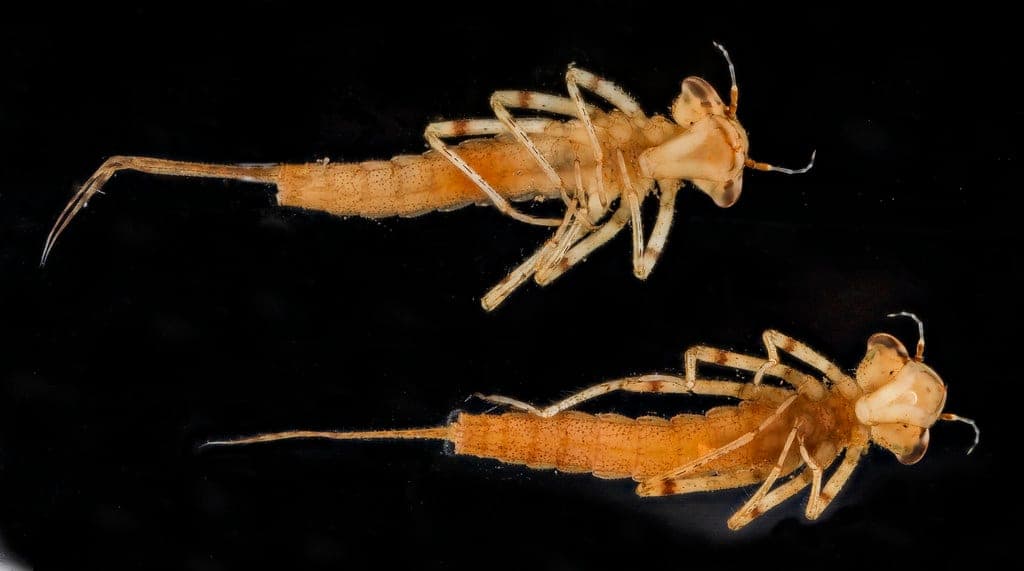
Four nymph patterns that catch trout almost anywhere, plus the nymph-only assortments worth owning.

Northeast Box
Starter Fly Box: Northeast Trout
Patterns and sizes for Northeast trout streams, with the eastern assortment that covers them.

Waders & Boots
Waders by Water Temperature
A water-temperature table for waders and layers, with a separate column for standing still.